Rochefortia acanthophora
Rochefortia acanthophora
Description
Rochefortia acanthophora is a woody perennial species belonging to the Boraginaceae family. While not a conventional agricultural commodity, this plant is an essential component of tropical ecosystems and possesses unique biological characteristics that make it a subject of interest for both environmental restoration and botanical research.
The native distribution of this species is centered in the Caribbean basin and the West Indies. It is primarily adapted to dry tropical forests and coastal scrubland environments. Due to its evolutionary history, the plant thrives in regions characterized by distinct wet and dry seasons, often colonizing rocky or calcareous soils where moisture retention is minimal.
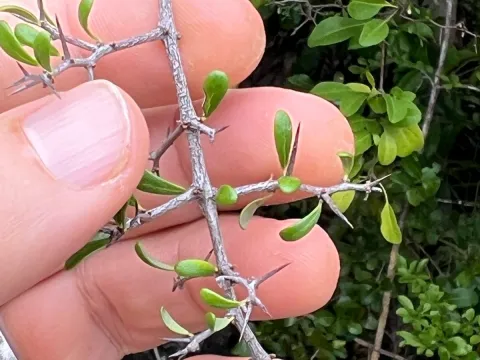
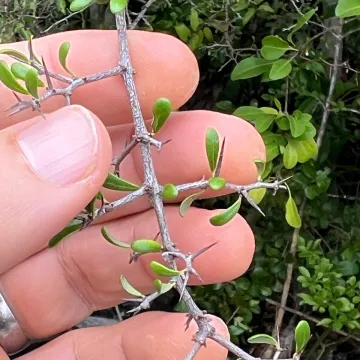
Botanically, Rochefortia acanthophora is characterized by its shrubby or small tree habit and its prominent, sharp spines. These spines serve as an effective defense mechanism against herbivores. The foliage consists of small, leathery leaves that are highly efficient at minimizing water loss, an adaptation essential for survival in the high-temperature conditions of its native habitat.
Regarding cultivation requirements, the species necessitates well-drained, porous soil and high solar exposure. It is highly intolerant of waterlogged conditions, which can quickly lead to root decay. Successful propagation is typically achieved through seeds, requiring warm conditions and consistent moisture during the germination phase, followed by a transition to drier management practices.
In terms of economic and practical use, the plant is primarily utilized in arid land reforestation projects and as natural, impenetrable fencing in rural areas. While not a source of food, its dense wood is occasionally sought after for specialized small-scale carpentry. The species remains relatively free from major pests, though it can be susceptible to opportunistic fungal infections if environmental moisture levels are consistently kept too high.
Photo gallery