
Roemeria rhoeadiflora
Roemeria rhoeadiflora
Description
Roemeria rhoeadiflora is an annual herbaceous plant species belonging to the Papaveraceae family. It is distinct for its poppy-like appearance and its specific adaptation to arid environments, making it a subject of interest for specialized botanical studies and potential inclusion in xeriscaping or niche agricultural programs.
The origin of this species is traced to the Middle East, Central Asia, and parts of the Mediterranean basin. It is natively adapted to harsh, dry conditions, frequently found in rocky habitats and disturbed soils. Its historical distribution pattern highlights its robustness against environmental stressors such as limited rainfall and high temperatures.
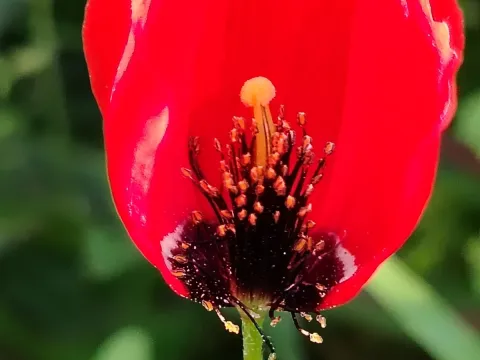
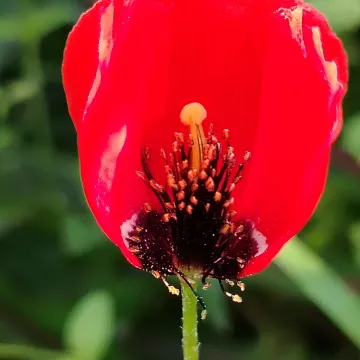
Botanically, the plant features finely divided, lobed leaves and solitary, vivid red flowers that provide high aesthetic appeal. The fruit is a long, linear capsule that acts as an efficient mechanism for seed dispersal. These biological adaptations allow the plant to complete its reproductive cycle before the peak of the dry season.
Agricultural success with Roemeria rhoeadiflora requires well-drained, alkaline, or calcareous soil. It thrives in locations with full sun exposure and poor nutrient profiles, where competition from other vegetation is minimal. Proper soil preparation must ensure excellent aeration to prevent root rot, which is the primary cause of failure in poorly managed plots.
Economic and research utility involves potential pharmacological investigations due to its relatedness to other poppy species. While it is not a large-scale commercial crop, its resilience makes it a candidate for low-input agricultural systems. Disease management focuses primarily on preventing fungal infections caused by humidity, while pest control requires vigilance against common aphids and sap-sucking insects.
Photo gallery