Roemeria sicula
Roemeria sicula
Description
Roemeria sicula is an annual herbaceous plant belonging to the Papaveraceae family. Often referred to in colloquial terms as a variant of the poppy group, it is a distinct botanical species characterized by its slender stature and unique reproductive organs, specifically its elongated seed capsules which differentiate it from the traditional genus Papaver.
The plant originates from the Mediterranean region, particularly the island of Sicily. Its natural habitat includes dry, stony slopes and sandy soils where precipitation is seasonal. This evolutionary background has endowed the plant with significant drought tolerance and the ability to thrive in nutrient-poor environments, making it a specialized choice for xeriscaping.
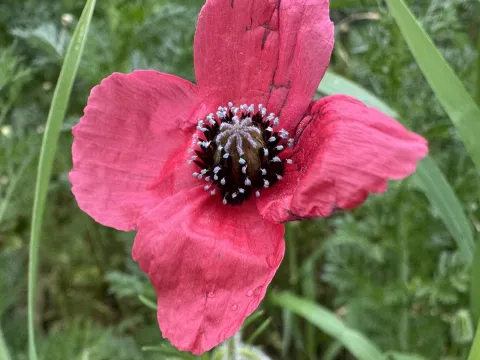
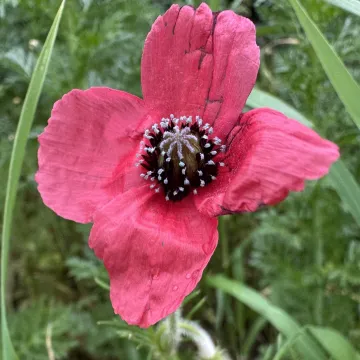
Botanically, the plant develops an upright stem covered in finely divided, glaucous foliage. The flowers exhibit delicate petals, typically appearing in vibrant shades of red or orange, often featuring a distinct dark basal spot. The fruits develop into long, thin capsules that dehisce to scatter seeds upon maturity, ensuring the continuity of the population in its native range.
Cultivation requirements for this species are centered on light exposure and soil structure. It demands full sun and excellent drainage to avoid root rot. While it can adapt to various soil types, rocky or sandy loams with a neutral to slightly alkaline pH are ideal for mimicking its natural growing conditions. The plant is essentially self-sufficient once established.
Regarding agricultural or garden management, the key is to prevent over-competition from weeds during the seedling stage. Common pests include aphids, which may cluster on tender buds. Disease pressure is generally low, provided that the soil is not overly saturated, which would otherwise encourage fungal pathogens. Minimal intervention is the best practice for successful growth.
Photo gallery