Rogeria adenophylla
Rogeria adenophylla
Description
Rogeria adenophylla is an emerging oilseed crop belonging to the Pedaliaceae family, closely related to the well-known sesame plant. Historically confined to arid tropical regions, this plant has garnered significant attention from agronomists due to its remarkable resilience to drought and its ability to thrive in challenging semi-arid soil environments.
The plant originates from the tropical savanna regions of Africa, where it has evolved physiological mechanisms to survive prolonged dry spells. Its natural habitat is characterized by poor soil quality and intense thermal stress, which the plant manages through its deep taproot system and metabolic adaptations, making it a candidate for expansion in modern dryland farming systems.
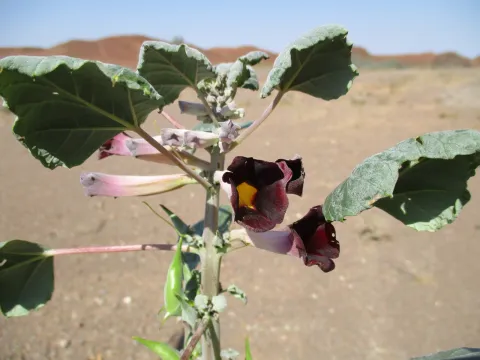
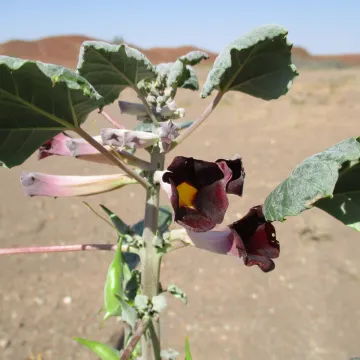
Botanically, Rogeria adenophylla is a herbaceous plant distinguished by glandular trichomes on its foliage, which provide a level of innate resistance to herbivores. The plant produces dehiscent capsules containing numerous small, oil-rich seeds. These seeds are known for their high lipid content and chemical stability, which are highly valued in both edible oil production and the cosmetic industry.
Agronomic requirements are focused on providing well-drained, sandy or loamy soils and full sun exposure. The crop is particularly sensitive to waterlogging, which necessitates careful site selection and management of soil moisture levels. Irrigation must be precisely applied during the flowering phase to ensure optimal pod formation and seed filling, as excessive humidity can trigger fungal infections.
Common agricultural challenges include managing early-stage pests that target young leaves and optimizing harvesting techniques to mitigate seed loss during the natural dehiscence of the capsules. Integrated pest management (IPM) practices, such as the use of biological control agents and crop rotation, are essential for maintaining yield stability in commercial-scale production of this promising oilseed.
Photo gallery