Sacred lily
Rohdea japonica (Thunb.) Roth
Description
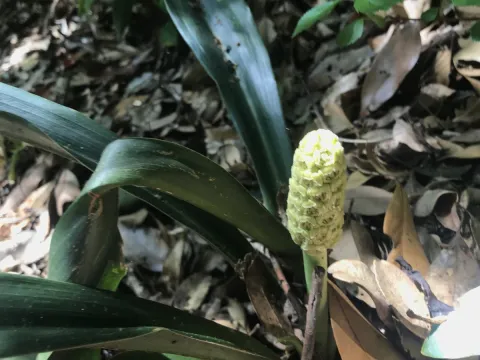
Sacred lily (Rohdea japonica) is an evergreen perennial plant belonging to the Asparagaceae family. Known for its lush, leathery, dark green leaves growing in a basal rosette, it is highly valued for its slow growth habit and architectural presence in both garden and container settings.
Native to the temperate and subtropical forests of East Asia, including Japan, China, and Korea, the plant has been cultivated for centuries. In Japanese horticulture, it is particularly celebrated for its long lifespan and is often kept in specialized ceramic pots as a symbol of domestic longevity.
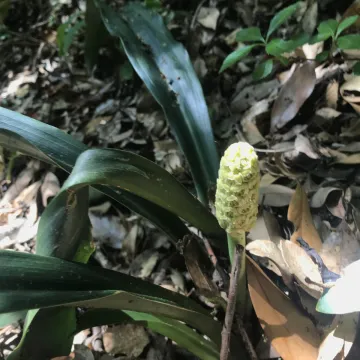
Botanically, the plant is distinguished by a stout rhizome and a unique inflorescence. Small, pale, bell-shaped flowers are produced on a short, spike-like stalk near the base of the plant, followed by bright red berries. These berries remain on the plant throughout the winter months, providing year-round interest.
Successful cultivation requires a location with bright, indirect light or full shade, as direct sun can scorch the leaves. The soil should be consistently moist, rich in organic matter, and well-draining to prevent root rot. It thrives in humid environments and prefers stable, moderate temperatures year-round.
Maintenance involves routine checks for pests and maintaining optimal soil conditions. Common issues for this species include:
- Scale insects and mealybugs hiding in leaf axils.
- Root rot caused by overwatering or poorly drained soil.
- Leaf spot diseases due to high humidity without proper air circulation.
Photo gallery