Great yellowcress
Rorippa amphibia
Description
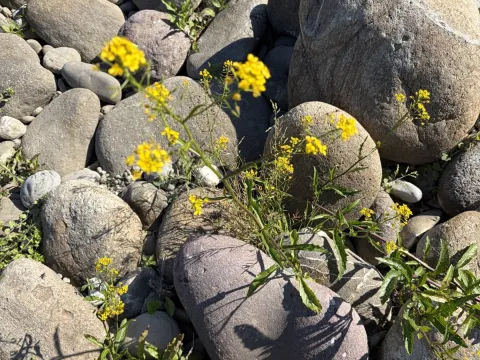
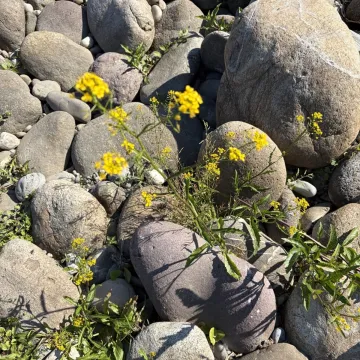
Great yellowcress (Rorippa amphibia) is a perennial herbaceous plant belonging to the Brassicaceae family. Known for its distinct ability to thrive in both aquatic and semi-aquatic habitats, this plant is increasingly recognized for its utility in managing high-moisture agricultural land. Its physiological structure allows it to adapt to submerged conditions, making it an ecological asset in wetland agricultural zones.
The native range of this species extends across Europe and parts of Western Asia, primarily concentrated in riparian areas and floodplains. It is naturally adapted to climates with abundant precipitation and high humidity. In agricultural settings, it is typically cultivated in areas where soil saturation prevents the growth of traditional staple crops, providing an alternative use for difficult terrain.
Botanically, the plant is characterized by a sturdy, often branched stem that can reach significant heights, supporting lanceolate leaves. Its root system is adventitious and highly resilient, ensuring a firm grip in soft, waterlogged substrates. The yellow flowers, arranged in terminal racemes, indicate a high reproductive potential, allowing for both sexual reproduction via seeds and vegetative propagation through stem fragments.
Requirements for cultivation focus heavily on soil moisture management and nutrient availability. The plant performs best in rich, organic-heavy, alluvial soils. Essential agronomic practices include the regulation of water levels during the growing season and periodic soil aeration if the plant is grown in managed ditches. Sufficient sunlight is necessary to optimize the production of biomass, although the plant displays moderate shade tolerance.
The primary use for great yellowcress is as a specialized forage crop or as a component in restored wetland ecosystems. It is also being studied for its nutritional profile. Like other members of the Brassicaceae family, it is susceptible to specific pests and diseases, such as:
- Crucifer flea beetles, which can cause significant foliar damage.
- Downy mildew, common in stagnant, humid environments.
- Various aphids that exploit the succulent stems of the plant.
Photo gallery