Rorippa hilariana
Rorippa hilariana
Description
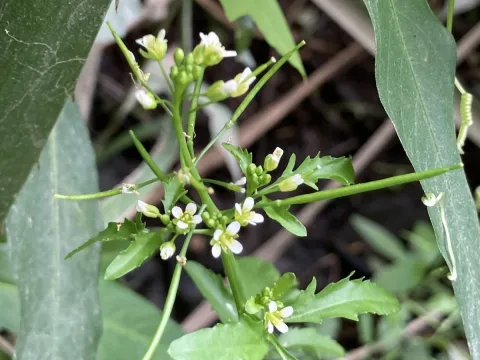
Rorippa hilariana is a herbaceous perennial plant belonging to the Brassicaceae family. Within the agricultural sector, this plant is recognized for its adaptive capabilities in moist environments. It represents a genus characterized by small, yellow flowers and rapid growth, making it a subject of interest for those studying aquatic or semi-aquatic plant management.
Native to South America, specifically regions in Brazil, this species is typically found in lowland areas and riverbanks where moisture levels remain consistently high. Its distribution is closely linked to its preference for nitrogen-rich soils, often colonizing disturbed habitats where competition with other species is minimal. The plant effectively utilizes its surroundings, making it a hardy species in its native range.
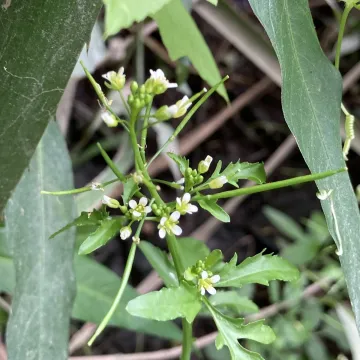
Botanically, Rorippa hilariana is distinguished by its branched stems and pinnatifid leaves. The root system is robust, allowing the plant to anchor securely in soft, silty soils. Its reproduction is facilitated by numerous small seeds contained within dehiscent siliques, which are distributed by water or wind. The structural architecture of the plant is optimized for photosynthesis in high-light, high-moisture conditions.
Regarding cultivation requirements, the species necessitates consistent soil moisture and moderate temperatures to thrive. While it does not require complex fertilization programs, it benefits from high organic matter content in the soil. Optimal growth is observed when the crop is exposed to direct sunlight for most of the day, ensuring the physiological maturity of the foliage and seeds.
In terms of хозяйственное (economic) utilization, Rorippa hilariana is often considered for phytoremediation and as a supplementary forage crop in specific moist landscapes. The crop is susceptible to common Brassicaceae pests, such as flea beetles and various species of aphids. Standard agricultural disease management practices, including proper drainage and crop rotation, are essential to minimize risks associated with fungal pathogens and bacterial infections.
Photo gallery