Marsh yellow-cress
Rorippa islandica
Description
Marsh yellow-cress (Latin: Rorippa islandica) is an annual or biennial herbaceous plant belonging to the Brassicaceae family. While frequently categorized as a wild-growing species in agricultural surveys, it holds potential as a niche leafy green. Its biological classification places it within a family known for diverse chemical compounds and significant agricultural utility across various climatic zones.
The origin and natural distribution of this plant cover large parts of the Northern Hemisphere, including Europe, Asia, and North America. It is typically found in high-moisture habitats such as riparian zones, marshes, floodplains, and damp agricultural soils. Its ability to colonize wet areas makes it a common sight near water bodies and in poorly drained sections of cultivated fields.
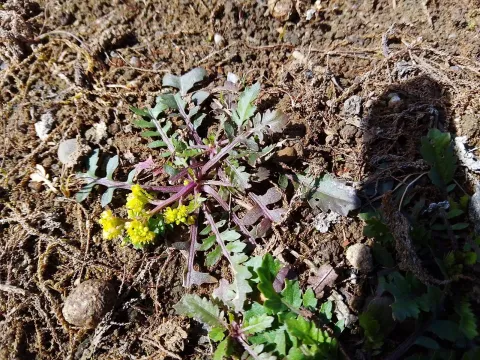
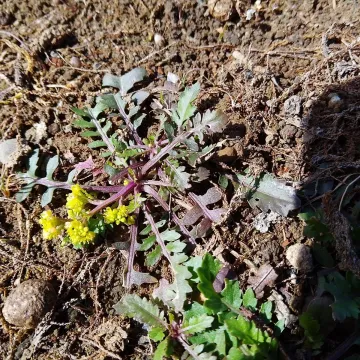
Botanically, Rorippa islandica is characterized by a branched stem reaching heights of 20–60 centimeters. Its foliage is pinnately divided with jagged edges, and it produces small, bright yellow flowers arranged in racemes. The root system is tap-rooted and efficient at nutrient uptake in saturated soils, allowing the plant to thrive where other species might struggle with oxygen deficit.
The agricultural requirements for this plant focus heavily on water management. It thrives in fertile, loamy soils that maintain high moisture content throughout the growing season. While it tolerates periodic flooding, the soil must be nutrient-rich to support rapid vegetative growth. Site selection is critical; the plant prefers open, sunny locations to maximize photosynthesis and improve the flavor profile of the leaves.
- Optimal growth temperature: 15–22 °C.
- Requirement for consistently moist soil.
- Sensitivity to severe drought stress.
- High adaptability to humid environments.
The primary agricultural and domestic use of the plant involves harvesting young leaves for consumption as a potherb or salad green due to their vitamin content. Regarding crop protection, common issues include fungal infections like powdery mildew and damage from crucifer-specializing pests like flea beetles. Effective management involves monitoring for early signs of infestations and maintaining optimal field hygiene to reduce disease pressure.
Photo gallery