Rorippa teres
Rorippa teres
Description
Rorippa teres is an herbaceous plant species belonging to the Brassicaceae family. Within the agricultural sector, it is often studied for its ecological niche as a moisture-loving species that can thrive in environments where traditional crops might fail due to excessive soil saturation.
The plant originates from the temperate regions of Eurasia. Its natural habitat includes wetlands, riverbanks, and marshy meadows. It is highly adapted to areas with fluctuating water tables, making it a specialized species for specific geographical zones characterized by frequent flooding or high humidity.
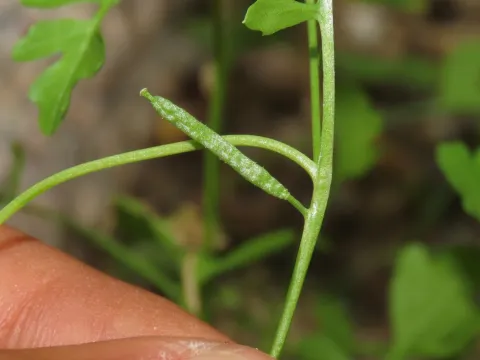
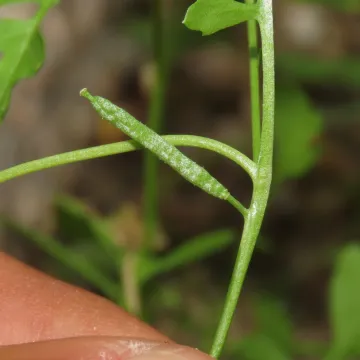
Botanically, Rorippa teres is recognized by its erect stems and characteristic yellow inflorescences arranged in racemes. It develops small, roundish pods that contain numerous seeds. Its root system is particularly adept at extracting nutrients from moist, water-logged soils, which distinguishes it from many other cultivated plants.
The cultivation requirements for this plant focus heavily on water management. It thrives in loamy, nutrient-rich soils that maintain moisture throughout the growing season. While it is a hardy species, it requires careful monitoring to ensure that the soil does not dry out, as its physiological processes are heavily dependent on water availability.
Agricultural use of this crop primarily relates to its potential in specialized forage systems or as part of wetland restoration projects. Growers should be aware of typical Brassicaceae pests, such as flea beetles, and fungal pathogens that can develop under conditions of high humidity and poor ventilation. Proper site selection and spacing remain key factors in reducing the incidence of disease.
Photo gallery