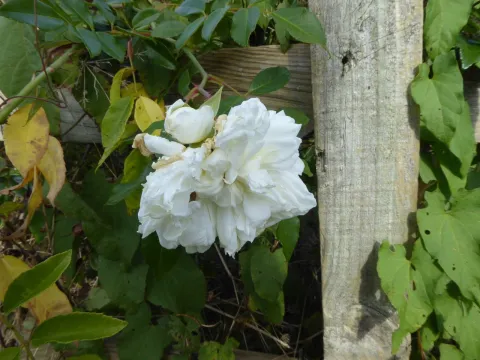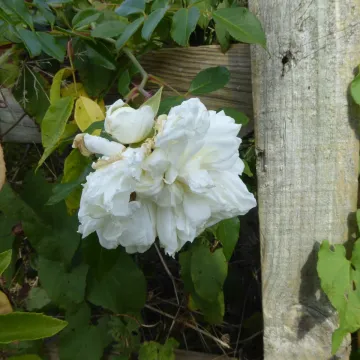

White rose
Rosa alba
Description
The white rose, scientifically classified as Rosa alba, belongs to the Rosaceae family. It is a historic hybrid species, valued for centuries for its cold hardiness and the intense fragrance of its blooms. Unlike many modern tea roses, this species is noted for its exceptional vigor and longevity, making it a reliable choice for commercial and garden cultivation.
Originating from Europe and parts of Western Asia, the white rose is well-adapted to temperate climates. Its primary cultivation centers are situated in regions where cool springs and warm, sunny summers allow for optimal oil accumulation in the petals. This species is often preferred in agricultural systems due to its robust health and adaptability to varied soil types.
Botanically, Rosa alba is characterized by tall, upright canes that can reach significant heights if left unpruned. The foliage has a distinctive glaucous, blue-green hue, providing a striking contrast to the pure white or pale pink flowers. The blooms are typically double or semi-double and are known for their classic, rich, and sweet fragrance, which is highly sought after by the perfume industry.
Agricultural success depends on providing well-drained, fertile soil with a balanced pH. Although the plant is relatively hardy, it requires consistent care, including annual pruning to remove old, woody stems and to promote fresh, flower-bearing growth. Mulching is recommended to retain soil moisture during the peak summer growing season.
Managing the health of Rosa alba requires vigilance against common pests and pathogens. The most frequent issues include fungal diseases such as powdery mildew, especially in humid conditions, and pests like aphids or spider mites. Integrated pest management, involving proper spacing and clean cultivation practices, is essential for maintaining the productivity of the crop.
Photo gallery