Blunt-eared rose
Rosa amblyotis
Description
The blunt-eared rose (Rosa amblyotis) is a perennial deciduous shrub belonging to the Rosaceae family. Often overlooked in large-scale agriculture, this species is highly regarded in botanical circles and ornamental horticulture for its resilience and unique morphological traits. It serves as an important genetic resource within the genus Rosa, adapted to specific northern climatic conditions.
This species is native to the regions of the Russian Far East, specifically Sakhalin and the Kuril Islands, as well as parts of Japan. It naturally inhabits river floodplains, forest fringes, and rocky slopes. Its evolutionary development in these harsh environments has made it a robust plant capable of thriving in temperate and sub-arctic zones where other, more delicate rose varieties might struggle to survive.
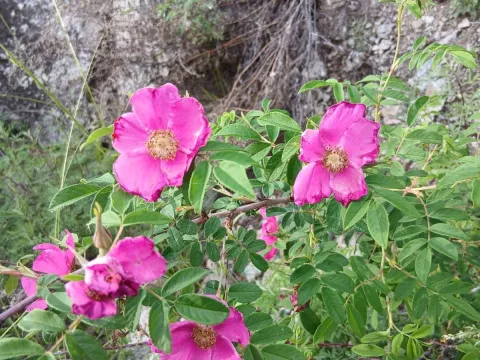
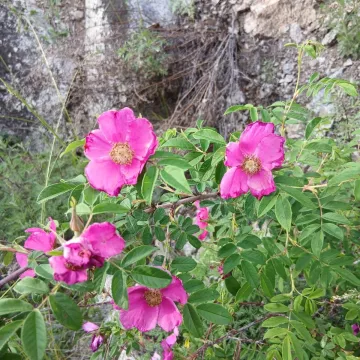
Botanically, Rosa amblyotis is distinguished by its stout, thorny stems and unique foliage with obtuse (blunt) stipules, which provides the common name. The plant produces vibrant pink flowers throughout the summer months, followed by nutrient-dense hips. These fruits are botanically known as achenes enclosed in a fleshy hypanthium, which are highly valued for their high vitamin and antioxidant content.
When cultivating this species, growers should prioritize well-drained, slightly acidic soil and full sun exposure. While the plant is hardy, it benefits from supplemental watering during the peak growing season to ensure optimal fruit development. Regular pruning is essential for maintaining plant vigor, as it prevents the shrub from becoming too dense and encourages fresh, productive growth in the following season.
Economically, the blunt-eared rose is utilized for both ecological and pharmacological purposes. It is frequently employed in slope stabilization projects due to its deep and effective root system, which helps mitigate soil erosion. In addition, the hips are harvested for medicinal teas and extracts, which are popular for their immune-boosting properties, while the plant itself is a staple in naturalistic landscaping and wild-garden designs.
- Excellent cold tolerance and winter hardiness.
- High ecological value for soil stabilization.
- Rich source of vitamin C and essential fatty acids.
- Low maintenance requirements once established.
Photo gallery