Banksiopsis rose
Rosa banksiopsis
Description
The Banksiopsis rose (Rosa banksiopsis) is a perennial ornamental shrub belonging to the Rosaceae family. This species is recognized for its unique growth habit and is closely related to the Banks' rose, representing a wild-type genetic resource often preserved for its resilience and aesthetic appeal. It serves as an interesting subject for both botanical study and specialized landscape design.
Originating from the mountainous regions of East Asia, specifically within China, this rose has adapted to diverse climatic conditions. Its natural habitat includes forested slopes and edges where the climate is characterized by distinct seasonal transitions. In cultivation, it is highly valued for its ability to thrive in various temperate environments, provided its basic ecological needs are met.
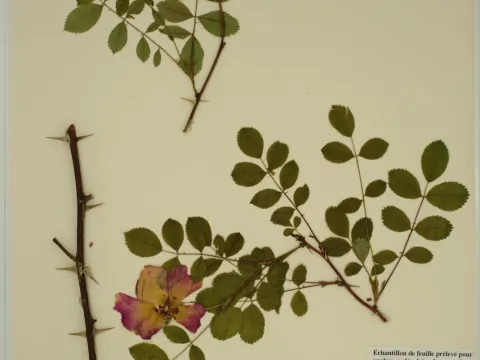
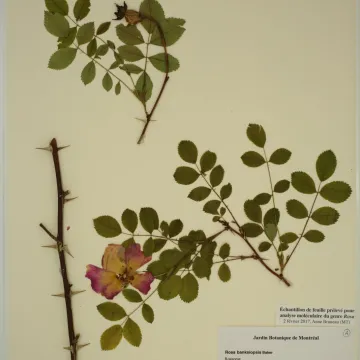
Botanically, Rosa banksiopsis is characterized by slender, relatively thornless stems and small, leathery, bright green leaves. The shrub tends to develop a dense, spreading canopy. Its flowers, typically arranged in small clusters, possess a delicate fragrance and subtle coloration. As the season progresses, the plant produces small, ornamental rose hips that add interest to the garden during the autumn months.
To ensure healthy growth, the Banksiopsis rose requires a site with ample sunlight and protection from harsh winds. The soil should be fertile, well-drained, and rich in organic matter to support the root system. Agrotechnical practices include consistent watering during the growing season, early spring pruning to remove dead wood, and the application of balanced fertilizers to encourage vigorous shoot development and bud formation.
The primary horticultural use of this species is in landscape architecture, particularly for vertical gardening, naturalistic hedging, or as an ornamental specimen in traditional gardens. Additionally, it is frequently utilized by rose breeders as a parent plant to introduce hardiness and disease resistance into hybrid lines. Its genetic diversity offers significant potential for developing more robust cultivars for future gardens.
Common issues encountered during cultivation include several pests and diseases typical of the genus:
- Powdery mildew, which may appear in humid conditions.
- Black spot, often prevented by maintaining good air circulation.
- Aphids and spider mites, which require monitoring during dry weather.
- Rust infections that might necessitate fungicide application during the peak season.
Photo gallery