Carolina rose
Rosa carolina
Description
The Carolina rose (Rosa carolina) is a perennial deciduous shrub belonging to the Rosaceae family. Often referred to as the pasture rose, this species is highly regarded in both ornamental horticulture and ecological landscaping due to its resilience, compact growth habit, and ability to thrive in various soil types and environmental conditions.
Native to North America, the Carolina rose is naturally found in habitats ranging from damp prairies and meadows to dry forest edges and roadsides. Its wide native range spans across much of the eastern and central United States and parts of Canada. Its adaptability to diverse climates has made it a preferred choice for restoration projects and garden borders that require minimal maintenance.
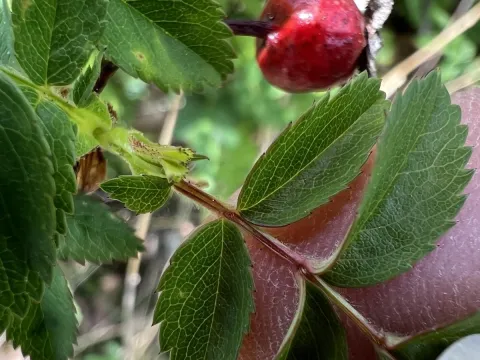
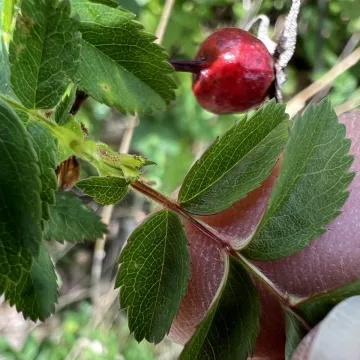
Botanically, this rose species grows as an erect shrub, typically reaching heights between 0.5 and 1 meter. It is characterized by its slender stems armed with straight, paired prickles. The foliage consists of compound leaves with 5 to 7 leaflets. The plant is prized for its fragrant, pink, five-petaled flowers that bloom in early summer, eventually giving way to decorative, red, globose rose hips that persist well into the autumn.
Cultivation requirements for the Carolina rose are relatively straightforward. It thrives in full sun to partial shade and prefers moist, well-drained, slightly acidic to neutral soils. In terms of agronomy, it is valued for its hardiness and ability to spread via underground suckers, which makes it an excellent plant for erosion control on slopes. Regular maintenance involves pruning dead or diseased wood in the early spring.
In terms of plant protection, the Carolina rose is susceptible to typical rose pests and diseases, including aphids, leaf miners, powdery mildew, and black spot. Implementing integrated pest management strategies, such as maintaining proper plant spacing for airflow and applying organic fungicides when necessary, is recommended. Its fruit provides a reliable food source for local bird populations, further enhancing its value in sustainable garden design.
Photo gallery