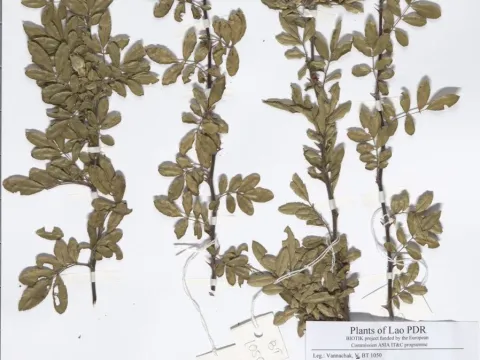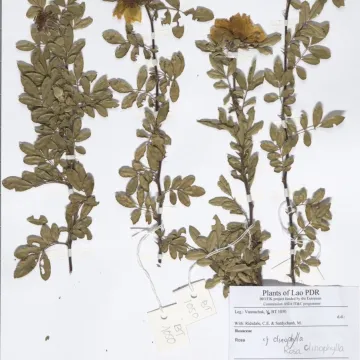
Rosa clinophylla
Rosa clinophylla
Description
Rosa clinophylla is a distinct species within the Rosaceae family, known for its specific ecological niche and unique morphological traits. Unlike many temperate rose species, this plant is inherently adapted to tropical and subtropical climates, making it a valuable subject for both botanical studies and horticultural development in warmer regions.
The native range of this species extends across Southern and Southeastern Asia, particularly in regions such as India and various parts of the Indochina peninsula. It naturally thrives in riparian environments, swampy edges, and lowland areas where soil moisture remains consistently high throughout the year, reflecting its evolutionary preference for hydric habitats.
Morphologically, it appears as a robust, evergreen shrub with characteristic glossy foliage that provides year-round aesthetic appeal. The flowers are typically white and solitary, blooming during specific intervals that coincide with local rainfall patterns. The plant produces relatively small, round hips, which serve as essential fruit for local fauna and are a key identifier of the species.
Agricultural requirements for Rosa clinophylla focus heavily on maintaining an adequate water supply, as the plant lacks the drought tolerance seen in many other rose species. It flourishes in rich, loamy soils that can retain moisture without becoming stagnant. Pruning should be handled with care to remove deadwood and maintain air circulation, which is vital for preventing pathogens in humid conditions.
From a utilization perspective, the primary value of this rose lies in its genetic potential. It is frequently employed by rose breeders to introduce traits of environmental resilience, such as resistance to specific humidity-related fungal diseases. While not widely cultivated as a standalone ornamental plant, its contribution to the breeding of modern, robust rose cultivars is significant.
- Family: Rosaceae
- Growth habit: Evergreen shrub
- Native region: Tropical and subtropical Asia
- Cultivation needs: Consistent soil moisture, nutrient-rich substrates
- Primary use: Genetic research and specialized breeding
Photo gallery