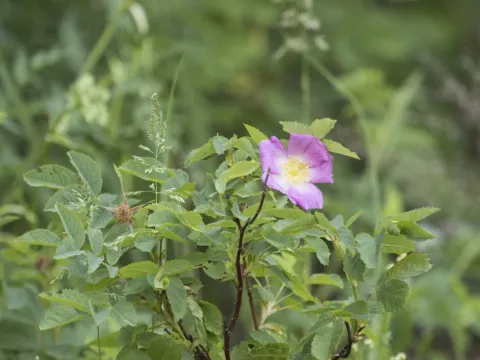

Smooth-leaved rose
Rosa glabrifolia
Description
The Smooth-leaved rose (scientific name: Rosa glabrifolia) is a perennial shrub belonging to the Rosaceae family. This species is recognized for its unique physiological traits, specifically the lack of hairs on its leaves, which distinguishes it from many other wild rose species found in similar ecosystems.
Originating primarily from East Asian regions, this crop is well-adapted to varied environments, including temperate zones. It is increasingly utilized in agricultural projects focused on the production of vitamin-rich botanical raw materials, serving both medicinal and food processing sectors due to its high concentration of phytochemicals.
Botanically, Rosa glabrifolia typically grows as an upright, deciduous bush. It features robust branches with relatively sparse thorns and produces vibrant, nutrient-dense hips during the late summer and autumn months. The plant's architecture allows for significant biomass production when cultivated under optimal conditions.
Successful cultivation requires well-drained, nutrient-rich soil with a neutral to slightly acidic pH. The plant thrives in full sunlight, which is essential for maximizing fruit yield and secondary metabolite content. Agronomic management involves consistent irrigation, periodic fertilization, and structural pruning to ensure optimal air circulation within the shrub canopy.
Industrially, the hips are harvested for their therapeutic properties, including high levels of Vitamin C, antioxidants, and essential minerals. Growers must be vigilant against common threats such as aphids, spider mites, and fungal infections like powdery mildew. Integrated pest management strategies are recommended to maintain high yield quality and plant health.
- Rich source of natural antioxidants.
- Adaptable to diverse climate conditions.
- Low input requirements for established plantations.
- High economic value in the herbal medicine industry.
- Excellent hedge plant with ecological benefits.
Photo gallery