Hemsley rose
Rosa hemsleyana
Description
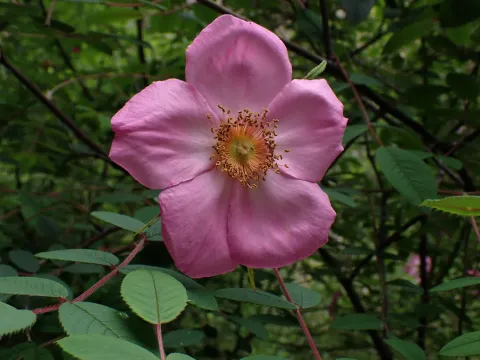
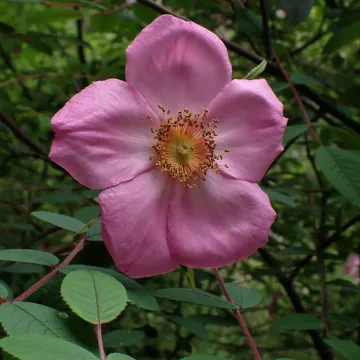
The Hemsley rose (Rosa hemsleyana) is a deciduous shrub belonging to the Rosaceae family. It is a distinct botanical species noted for its refined architecture and delicate features that differ significantly from modern hybrid garden roses.
The species originates from China, where it grows in mountain regions. Currently, its cultivation is largely restricted to botanical gardens and specialized collections. It is well-suited to temperate climates, showing a high level of resilience to seasonal temperature fluctuations when provided with proper site placement.
Botanically, Rosa hemsleyana is characterized by its pinnate leaves and delicate flowers that bloom in clusters. The shrub produces numerous rose hips in late summer and autumn, which are both aesthetically pleasing and ecologically valuable. Its growth habit is typically spreading, making it a graceful addition to any landscape.
To ensure optimal health, the Hemsley rose requires well-drained, nutrient-rich soil with a neutral to slightly acidic pH. While the plant can tolerate partial shade, it thrives best in full sun. Cultivation practices should include consistent watering during dry spells, spring fertilization with balanced compost, and occasional pruning to remove deadwood and maintain shape.
In terms of practical use, the Hemsley rose is primarily an ornamental asset used in naturalistic garden designs, wild gardens, and as a hedge component. Beyond its visual appeal, it is of interest to botanists and breeders who value wild species for their inherent vigor and potential resistance to various stressors.
Common issues affecting the health of the Hemsley rose include:
- Powdery mildew in warm, humid climates.
- Black spot disease caused by fungal spores in wet conditions.
- Aphids that congregate on new vegetative growth.
Photo gallery