Jundzill's rose
Rosa jundzillii
Description
Jundzill's rose (Latin: Rosa jundzillii) is a perennial deciduous shrub belonging to the Rosaceae family. As an agricultural crop, it is gaining attention for its resilience and the nutritional quality of its fruit, which contains high levels of essential vitamins and antioxidants beneficial for both human health and industrial processing.
The plant is native to Central and Southern Europe. It thrives in diverse habitats ranging from forest edges and scrublands to rocky slopes. Its natural distribution demonstrates an evolutionary ability to adapt to varying soil types and climate conditions, making it a robust species for commercial or small-scale cultivation.
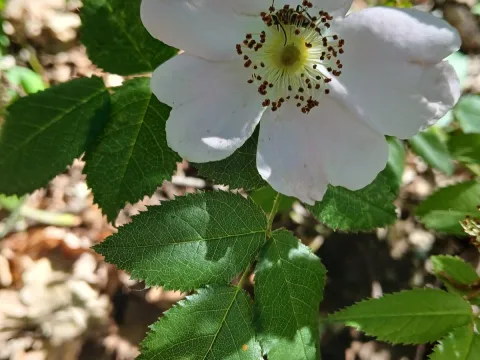
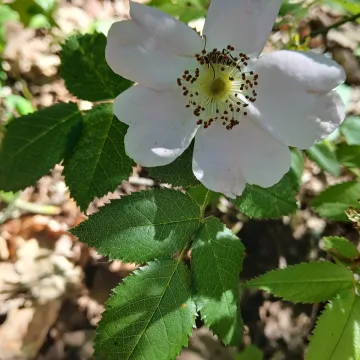
Botanically, the shrub grows up to 2 meters in height. It features sturdy stems with strong prickles and pinnate leaves. The flowers are typically large and pink, blooming in late spring. The fruit, known as a hip, is fleshy and oval-shaped, serving as a primary source of bioactive compounds once it reaches full maturity in late summer.
Cultivation requirements for Jundzill's rose focus on providing well-drained, fertile soil and adequate sunlight. The plant is drought-tolerant once established, but regular pruning of old wood is necessary to maintain productivity and shrub health. Proper fertilization during the spring growth phase encourages vigorous development and better fruit yield.
In agricultural practice, this rose is utilized for medicinal purposes, particularly in the production of herbal teas and vitamin extracts. It is also an excellent choice for environmental protection projects, such as controlling soil erosion on steep slopes or creating impenetrable hedge barriers that support local biodiversity by providing food for pollinators.
- Exceptional winter hardiness.
- High nutritional content of vitamin C.
- Versatility in landscape design and erosion control.
- Resistance to common garden pests.
Photo gallery