Kokand rose
Rosa kokanica
Description
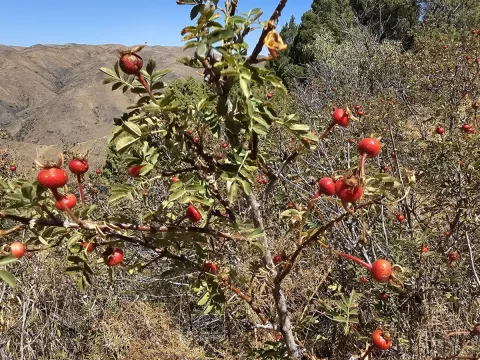
The Kokand rose (Rosa kokanica) is a distinct species of wild shrub belonging to the Rosaceae family. It is recognized by botanists for its specific adaptation to the challenging ecological niches of Central Asia. As a genetic resource, this plant represents an important subject for studying the mechanisms of drought and frost resistance within the genus Rosa.
The native habitat of Rosa kokanica includes the mountainous and foothill regions of Central Asia, particularly in countries like Uzbekistan and Kyrgyzstan. The species has evolved to thrive in a semi-arid, continental climate, where it successfully withstands significant temperature fluctuations and prolonged periods of low precipitation throughout the growing season.
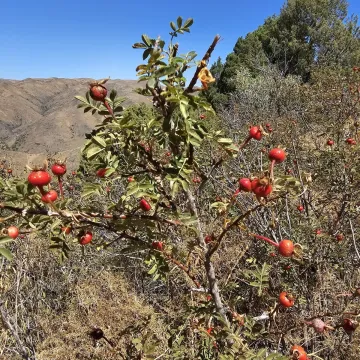
Botanically, the Kokand rose manifests as a deciduous shrub with slender stems and characteristic prickles that protect the plant. Its leaves are pinnate, typically small, and structurally adapted to reduce transpiration. The flowers are usually simple, exhibiting a modest yet elegant structure typical of wild species, providing a delicate aesthetic during the flowering phase.
Regarding cultivation requirements, the Kokand rose demands well-draining, stony, or light loamy soils with a neutral pH level. Proper site selection is crucial; the plant requires full sun exposure and excellent air circulation. Over-watering and high humidity levels are detrimental to its health, as they can lead to root rot and other physiological issues related to moisture stress.
In terms of practical use, the species is primarily utilized for naturalistic landscaping and ecological restoration projects in dry climates. Breeders also value it as a potential parent for developing stress-tolerant rose varieties. Common pests include aphids and mites, while standard maintenance involves removing dead wood and monitoring for signs of powdery mildew in suboptimal, overly humid conditions.
Photo gallery