Cherokee rose
Rosa laevigata
Description
The Cherokee rose (Rosa laevigata) is a vigorous, evergreen climbing shrub belonging to the Rosaceae family. Known for its persistent, glossy leaves and large, fragrant white flowers, this plant is both an ornamental showpiece and a functional agricultural crop. Unlike many other rose species, it retains its foliage year-round, making it an excellent candidate for year-round landscape interest.
Native to Southern China and Taiwan, the Cherokee rose is well-adapted to warm, temperate climates. While it has been introduced to various parts of the world, it thrives best in regions that mimic its natural habitat, avoiding areas with prolonged, severe freezing temperatures. In many regions, it is cultivated both for its medicinal properties and as an effective screening plant for natural fencing.
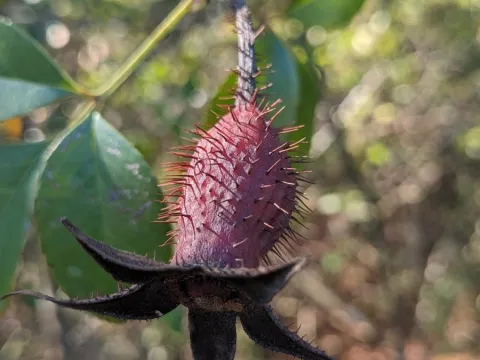
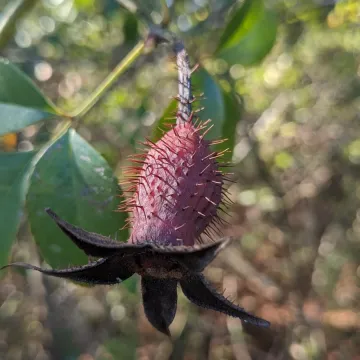
Botanically, the plant is characterized by trifoliate, dark green leaves and solitary flowers that typically bloom in the spring. The fruit, or rose hip, is elongated, often covered with stiff bristles, and contains numerous seeds. Its root system is exceptionally robust, allowing the plant to stabilize slopes and thrive in diverse soil types, provided there is adequate drainage and sun exposure.
Cultivation requires full sun to ensure maximum flowering and general plant health. It prefers fertile, slightly acidic to neutral soils that are kept moderately moist but not waterlogged. Agrotechnical management involves regular pruning to control its rapid growth and structural support such as trellises or sturdy fences. Fertilizing with balanced organic matter in the early spring supports vigorous new growth and abundant fruit production.
The agricultural and economic utility of the Cherokee rose is significant. It is widely recognized for the following roles:
- Source of bioactive compounds for traditional medicinal use.
- Major ornamental feature for vertical landscaping.
- Erosion control tool on steep banks and slopes.
- Natural barrier creation due to its dense, thorny growth.
Pathological concerns include common rose diseases like black spot and powdery mildew, which are often exacerbated by poor air circulation. Pests such as aphids and spider mites can be problematic, particularly during hot and dry conditions. Implementing an integrated pest management strategy, including proper spacing and occasional systemic treatments, is essential for maintaining the vigor and productivity of these shrubs.
Photo gallery