Small-leaved rose
Rosa minutifolia
Description
The small-leaved rose (Latin: Rosa minutifolia) is a unique shrub species belonging to the Rosaceae family. Distinguished by its specialized adaptation to arid environments, this plant occupies a niche position in horticultural science, particularly for dryland gardening and xeriscaping.
The native range of this species is extremely limited, naturally occurring primarily along the coastal regions of Baja California, Mexico, and small pockets of Southern California, USA. It thrives in rocky, well-drained soils where most other rose species would fail to establish due to the scarcity of water.
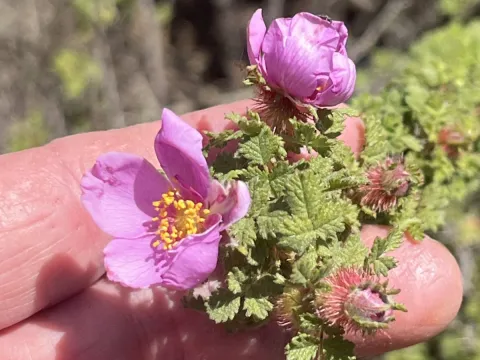
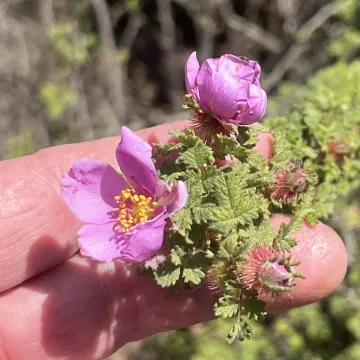
Botanically, Rosa minutifolia is a deciduous shrub that usually reaches a height of 1 to 1.5 meters. Its most identifying features are its tiny, deeply lobed, fern-like leaves and its dense coverage of sharp thorns. The flowers, typically appearing in shades of pink or deep purple, are relatively small compared to modern garden roses but are highly attractive in their natural setting.
Agronomic requirements for this culture revolve around the mimicry of its natural desert-like habitat. It necessitates extremely fast-draining, gritty soils and is highly intolerant of high humidity and standing water. Excessive irrigation during dormant periods is the most common cause of root rot and plant mortality, making precise water management the cornerstone of successful cultivation.
- Full sun exposure is essential for vigorous development.
- Sandy or rocky soil structure to ensure perfect drainage.
- Avoidance of summer irrigation during the plant's natural dormancy.
- Protection from high ambient humidity and damp, cool air.
In terms of economic and practical use, Rosa minutifolia is primarily utilized in botanical gardens and by enthusiasts interested in native plant conservation. Its genetic traits related to drought resistance are of interest to rose breeders aiming to create climate-resilient cultivars. The primary pests include standard rose pathogens like aphids or mites, while fungal diseases are secondary to environmental stress caused by inappropriate watering practices.
Photo gallery