Mountain rose
Rosa montana
Description
The Mountain rose (lat. Rosa montana) is a perennial shrub belonging to the Rosaceae family. It is recognized for its rustic nature and ability to thrive in challenging environments. As an agricultural and ornamental subject, it serves as a robust foundation for various landscaping projects and serves as a valuable genetic resource within the rose genus.
The species is native to mountainous regions in Europe, where it has adapted to rocky terrains and varying climatic conditions. Due to its evolutionary history, the mountain rose exhibits excellent hardiness and performs well in regions where typical garden roses might struggle with cold or soil quality. Its natural habitat is typically found at higher elevations with sufficient exposure to sunlight.
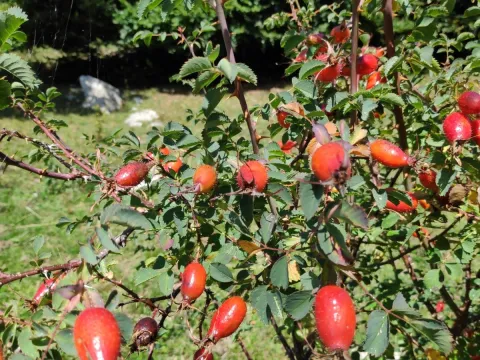
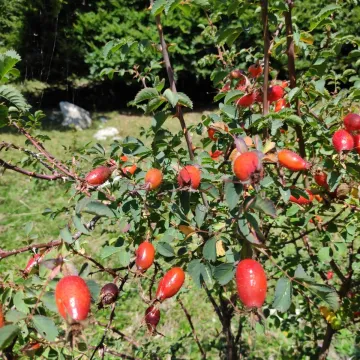
Botanically, Rosa montana is characterized by a vigorous growth habit with stems protected by sharp thorns. The leaves are compound and typically have a serrated margin, contributing to a dense foliage appearance. The flowers are generally single-petaled, displaying the classic form of wild rose species, which attracts various pollinators during the blooming season.
Cultivation requirements for the mountain rose are straightforward, focusing on replication of its native habitat. It thrives in well-drained, slightly acidic to neutral soils. Key management practices include:
- Annual pruning to maintain shape and promote new growth.
- Minimal, yet consistent, irrigation during initial planting years.
- Mulching to retain moisture and regulate soil temperature.
- Occasional feeding with balanced fertilizers in early spring.
In terms of agricultural and practical use, the mountain rose is frequently utilized for slope stabilization and the creation of impenetrable protective hedges. Beyond its physical utility, its hips are studied for their potential medicinal properties, including antioxidant activity and high vitamin C content, making them a point of interest for small-scale botanical product harvesting.
Regarding plant health, Rosa montana is susceptible to typical rose diseases like powdery mildew and black spot when air circulation is poor or humidity levels are high. Common pests include aphids and spider mites. Effective management requires maintaining good spacing between plants, applying preventative fungicides when necessary, and practicing integrated pest control to ensure long-term plant vitality.
Photo gallery