Shining rose
Rosa nitidula
Description
The shining rose (Rosa nitidula) is an ornamental shrub belonging to the Rosaceae family. It is recognized for its glossy foliage and robust growth habits, making it a popular choice for both private gardens and public landscaping projects. This species is valued for its hardiness and ability to thrive in various temperate environments.
Originating from regions with moderate climates, the shining rose has adapted to survive distinct seasonal variations, including cold winters. Its cultivation range is widespread across temperate zones, where it is often utilized for its ability to provide structural interest and seasonal beauty through its flowers and autumn fruits.
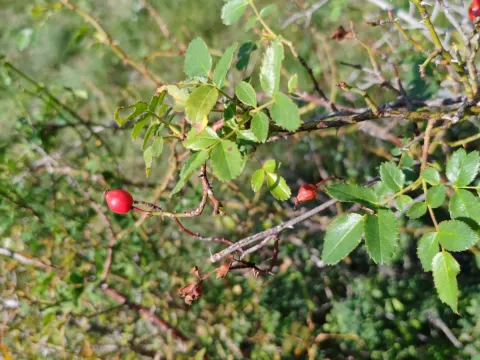
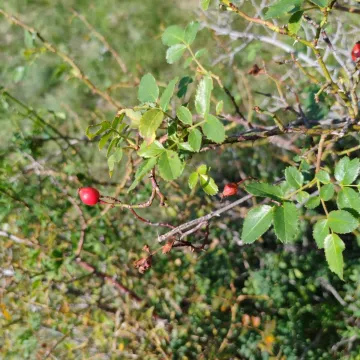
Botanically, the plant is characterized by its bright, lustrous leaves and upright stems. The flowers are typically simple, with a delicate structure that invites pollinators. After flowering, the plant produces distinctive hips that are highly nutritious and contribute to the plant's year-round visual appeal.
Agricultural practices for Rosa nitidula focus on planting in well-drained, nutrient-rich soil with adequate sun exposure. Soil preparation is critical to avoid root stagnation. Regular maintenance, including seasonal pruning and fertilization, ensures the plant maintains its shape and produces healthy blooms every year.
- Application of balanced fertilizers during spring growth.
- Pruning dead or damaged branches to promote air circulation.
- Regular weeding to reduce competition for nutrients.
- Monitoring for common garden pests during early summer.
Economically and practically, the plant is used for hedge building and soil stabilization on slopes. Common pests include aphids and mites, which can be managed with integrated pest management techniques. Fungal infections such as powdery mildew are the primary concern, requiring consistent monitoring and preventative fungicide application.
Photo gallery