Pollini Rose
Rosa polliniana
Description
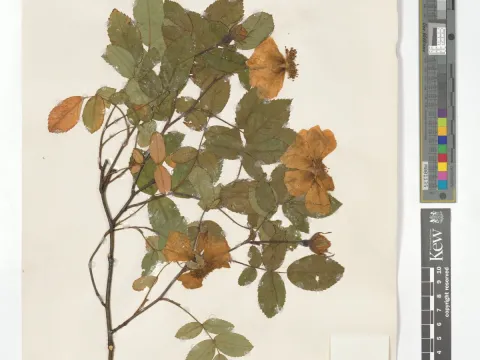
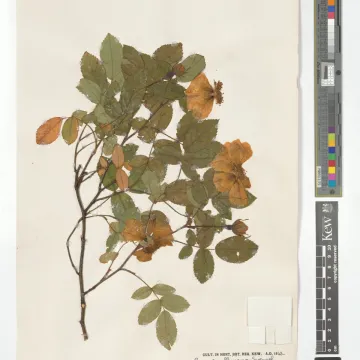
The Pollini Rose (Rosa polliniana) is a distinctive natural hybrid belonging to the Rosaceae family. It is recognized as a cross between Rosa arvensis and Rosa gallica. In agriculture and ornamental horticulture, this plant is valued for its unique genetic lineage and its role as a representative of European wild rose biodiversity, offering researchers and gardeners a rare look at natural hybridization.
The origin of this species is traced back to Central and Southern Europe. It thrives in temperate climates, showing good adaptability to European environmental conditions. As a cultivated plant, it is found in botanical collections and specialized park areas where there is a focus on preserving species diversity and historical rose varieties that do not require intensive industrial management.
Botanically, this shrub exhibits a moderate growth habit with arching stems and typical rose foliage. The flowers possess distinct aesthetic qualities, often displaying a soft range of colors that transition between those of its parent species. Its growth architecture makes it an excellent candidate for semi-natural landscaping, where its structural form and seasonal blooms can be fully appreciated.
Agrotechnical requirements for Rosa polliniana focus on fertile, well-draining soil with a neutral pH. It performs best in areas receiving full to partial sunlight. Garden maintenance should involve periodic fertilization during the early spring and careful pruning to remove dead wood, which helps maintain the overall health and vitality of the shrub throughout the growing season.
To ensure the longevity of the plant, gardeners must monitor for typical rose pests and diseases that affect this genus. Preventive care remains the most effective management strategy for this variety:
- Powdery mildew, especially during humid spells.
- Black spot, often caused by poor air circulation.
- Aphids and mites, which are common threats during high-temperature cycles.
Photo gallery