
Serafini rose
Rosa serafinii
Description
The Serafini rose (Rosa serafinii) is a perennial shrub species belonging to the Rosaceae family. As a wild rose variety, it is distinguished by its high resilience and adaptability, making it an interesting subject for both botanical study and specialized landscape design.
The origin of this species is traced back to the Mediterranean basin, specifically the mountainous areas of Sardinia, Corsica, and parts of Italy. It is typically found in rugged, rocky terrains and scrublands, where it has evolved to thrive in poor soil conditions and fluctuating weather patterns.
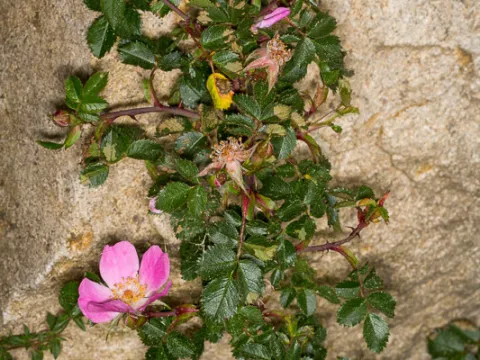
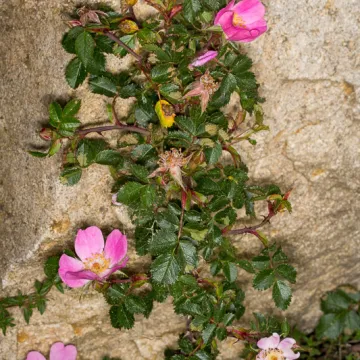
Botanically, Rosa serafinii is characterized by its compact, low-growing shrub habit. The leaves are generally small and tough, providing protection against moisture loss, while the flowers display delicate shades of pink. Its morphology is perfectly suited to its native, harsh environments.
Cultivation requirements for the Serafini rose emphasize the need for excellent drainage and direct sunlight. It is a drought-tolerant species, which makes it a low-maintenance option for xeriscaping or rock gardens. Regular pruning is recommended to maintain shape and promote healthy growth cycles each season.
Regarding health management, like most wild roses, it is relatively robust but can be susceptible to common rose pests and pathogens. Proper site selection is the best preventative measure against fungal issues. Gardeners should watch for signs of aphids, spider mites, and powdery mildew, especially during periods of high humidity or poor air circulation within the shrub canopy.
Photo gallery