
Burnet rose
Rosa spinulifolia
Description
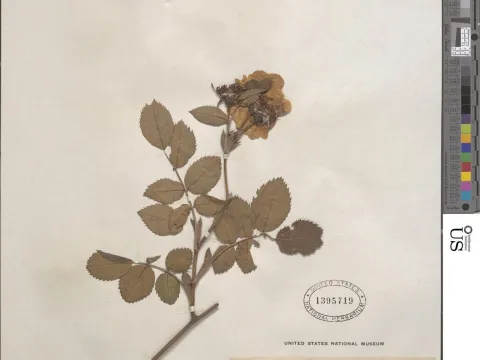
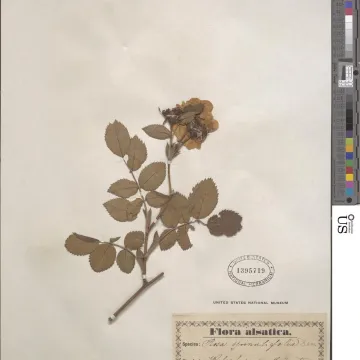
The Burnet rose (Rosa spinulifolia) is a deciduous perennial shrub belonging to the Rosaceae family. This species is highly regarded in horticulture for its robustness, dense thorny stems, and early-season blooming. Its scientific name highlights its most distinctive feature: an abundance of thin, sharp prickles covering its woody stems, making it an excellent plant for wildlife-friendly barriers.
The native range of the species primarily encompasses the mountainous regions of Central and Southern Europe. It has evolved to thrive in rocky soils, exposed hillsides, and forest edges, showcasing impressive resilience against cold climates and nutrient-poor ground. Due to its adaptability, it has become a staple in temperate landscaping for both aesthetic and functional purposes.
Botanically, this shrub usually reaches heights between 0.5 and 1.5 meters. It possesses characteristic imparipinnate leaves and produces simple, fragrant flowers in colors ranging from white to light pink. The plant produces small, globular hips that transition from green to deep red or black upon ripening, which provides significant visual interest throughout the autumn months.
Cultivation requirements for the Burnet rose are relatively low compared to modern garden rose hybrids. It thrives in sunny locations with well-drained soil, though it can tolerate a variety of soil types. Successful growth depends on a few standard agronomic practices:
- Annual light pruning to maintain plant vigor.
- Application of mulch to regulate soil moisture and suppress weeds.
- Balanced fertilization in early spring to support blooming.
- Monitoring for drainage to prevent root zone saturation.
In practice, Rosa spinulifolia is primarily used in landscaping for hedge formation, soil stabilization on slopes, and as a naturalistic addition to mixed borders. The species is susceptible to typical rose ailments, including powdery mildew and black spot. Insect pests such as aphids or spider mites may occur, necessitating standard integrated pest management strategies to ensure the plant remains in optimal health.
Photo gallery