Crimean rose
Rosa tauriae
Description
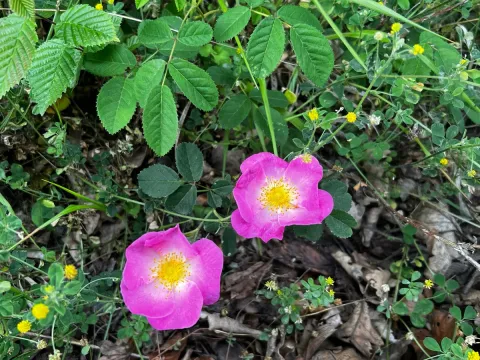
The Crimean rose (Latin: Rosa tauriae) is a perennial shrub belonging to the Rosaceae family. As a species native to the Crimean Peninsula, it is specifically adapted to the Mediterranean-influenced climate, demonstrating remarkable hardiness and resilience in various environmental conditions.
Its historical origin is tied to the mountainous and foothills regions of Crimea, where it grows wild in rocky habitats. Due to its evolutionary adaptation to poor, stony soils and high solar radiation, it has become a unique genetic resource for agricultural development in arid regions.
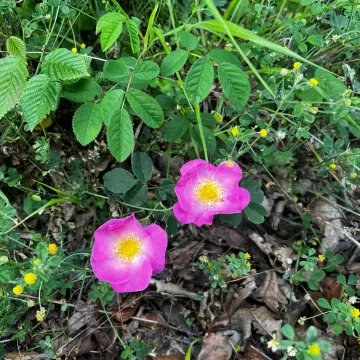
Botanically, Rosa tauriae is characterized by its woody stems armed with sharp prickles, compound pinnate leaves, and attractive flowers that vary in shade. The fruit, botanically a hip, is a succulent structure containing numerous achenes, which serves as the primary component for both medicinal and industrial processing.
Agricultural success depends on providing full sun exposure and well-draining soil. It is highly drought-tolerant, but regular maintenance, including selective pruning, is essential to manage canopy density. Proper spacing ensures adequate air circulation, which is crucial for the health and productivity of the shrub plantation.
The economic value of this crop lies in its high content of ascorbic acid and antioxidants. It is widely used in nutraceuticals and food processing. Farmers must remain vigilant against pests like aphids and spider mites, as well as fungal pathogens like powdery mildew, which can be mitigated through good cultural practices and regular monitoring.
Photo gallery