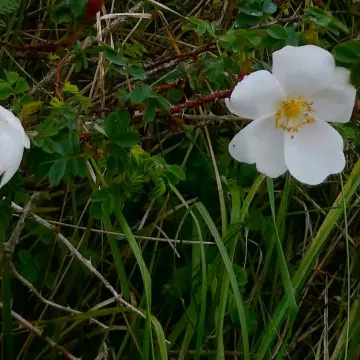

Tushetian rose
Rosa tuschetica
Description
The Tushetian rose (Rosa tuschetica) is a wild shrub species classified within the Rosaceae family. It is an endemic or sub-endemic plant known for its remarkable ability to withstand extreme mountain climates, making it a subject of interest for both botanists and professional horticulturists.
Originating from the Tusheti region of Georgia, this rose thrives in the high-altitude conditions of the Greater Caucasus. The plant occupies alpine and subalpine meadows, rocky outcrops, and steep slopes, demonstrating significant plasticity in its growth habits according to local altitudinal gradients.
Botanically, Rosa tuschetica is characterized by its compact shrub form, dense spine cover on its woody branches, and highly resilient foliage. The flowers are typically smaller than those of garden roses but possess a distinctive aromatic quality that is highly valued in its native region for local medicinal and cosmetic practices.
Regarding agrotechnical requirements, the species demands excellent drainage and a soil composition that mimics its natural scree habitat. When cultivated, it requires minimal intervention, though it benefits from occasional pruning to maintain its shape and the removal of deadwood to ensure optimal airflow within the canopy.
The economic and practical use of the plant includes its potential as a rootstock for ornamental breeding programs due to its inherent cold resistance. Furthermore, its fruits are often collected for their high antioxidant and vitamin content, contributing to the local sustainable agricultural practices in mountainous areas.
Like many species in its genus, the Tushetian rose is susceptible to common fungal pathogens, particularly if drainage is poor. Effective management involves maintaining a clean planting site, ensuring proper sunlight exposure, and using targeted preventative measures against aphid infestations that can weaken young shoots during the spring growth phase.
Photo gallery