Roscoea purpurea
Roscoea purpurea Sm.
Description
Roscoea purpurea (Roscoea purpurea Sm.) is a herbaceous perennial plant belonging to the Zingiberaceae (ginger) family. Often referred to as a Himalayan orchid, it is highly prized for its unique, exotic-looking flowers that bring a touch of the orient to temperate gardens. The plant remains dormant underground during the winter months.
The species originates from the Himalayan mountain range, spanning countries like Nepal and India. It thrives in high-altitude environments, characterized by cool temperatures, high humidity, and dappled light under forest canopies. These origins dictate the cultural conditions necessary for its successful growth in home gardens.
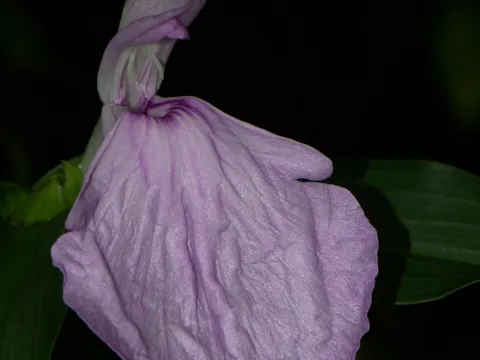
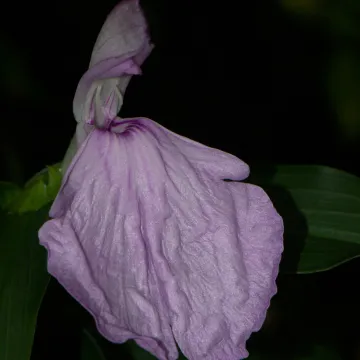
Botanically, it features tuberous rootstocks that act as storage organs. The foliage consists of long, lance-shaped leaves that arise from the base. The flowers are the primary attraction, displaying a distinct structure with a broad labellum and deep purple or mauve petals that emerge sequentially throughout the mid-to-late summer.
Successful cultivation requires soil that is rich in organic matter, slightly acidic, and consistently moist but well-drained. Site selection is critical; Roscoea prefers partial shade where it is protected from the scorching midday sun. In cold climates, deep planting or winter mulching is essential to protect the tubers from freezing temperatures.
The plant is used exclusively for ornamental purposes, making it an excellent candidate for borders, rock gardens, and woodland settings. Maintenance involves careful monitoring for common pests, such as slugs and snails, which are particularly fond of the young foliage. Ensuring good drainage is the primary defense against fungal rot.
Photo gallery