Rostellularia procumbens
Rostellularia procumbens
Description
Rostellularia procumbens is a herbaceous plant belonging to the Acanthaceae family. Often recognized in both botanical and agricultural circles, this species is noted for its adaptability and significant presence in tropical and subtropical regions. While it is sometimes categorized as a weed in rice cultivation, its pharmacological potential has brought it into the spotlight for sustainable agricultural research.
The native range of the plant spans across tropical Asia, extending from India and China to Southeast Asia and Australia. It thrives in diverse environments, ranging from damp meadows and riverbanks to cultivated fields. Its natural distribution is a testament to its evolutionary success in high-humidity, warm-climate ecosystems where it competes effectively with other ground cover vegetation.
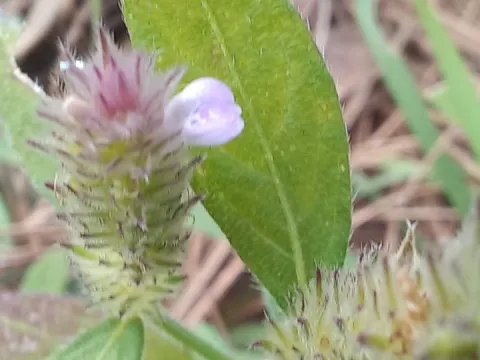
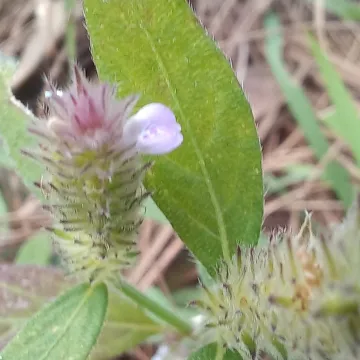
Botanically, Rostellularia procumbens is characterized by its prostrate or ascending stems, which are typically pubescent. The leaves are opposite and simple, often elliptic or lanceolate in shape. The plant produces small flowers arranged in terminal spikes, usually displaying hues of white, pink, or light purple. This structural morphology allows the plant to thrive as a dense ground cover, effectively retaining soil moisture.
Cultivation requirements for this species focus primarily on consistent soil moisture and moderate sunlight. It is relatively undemanding regarding soil nutrient content, provided that the drainage is adequate and the pH remains near-neutral. In an agricultural setting, maintaining temperatures between 20°C and 30°C is essential for optimal growth rates and the production of high-quality biomass intended for medicinal applications.
The primary economic use of Rostellularia procumbens lies in the pharmaceutical and traditional medicine sectors. It is highly valued for its bioactive compounds, which demonstrate anti-inflammatory and antiseptic activities. As organic farming and the demand for natural medicine continue to grow, this plant is being studied for controlled field cultivation, emphasizing its potential as a secondary crop in integrated agricultural systems.
- Family: Acanthaceae.
- Growth habit: Herbaceous, prostrate to ascending.
- Native habitat: Tropical and subtropical zones.
- Key features: Spike-like inflorescences, medicinal properties.
- Agricultural potential: Secondary medicinal crop.
Photo gallery