Rotula aquatica
Rotula aquatica
Description
Rotula aquatica is a perennial shrubby plant belonging to the Boraginaceae family. Unlike its terrestrial relatives in the borage family, this species is a specialized hydrophyte, adapted to survive in harsh aquatic environments, specifically on rocky riverbeds that are subject to frequent submersion and high water currents.
The native range of this plant includes tropical regions of Asia, with significant populations found in India and Sri Lanka. It thrives in river ecosystems, particularly in areas with gravelly or rocky substrates where it firmly attaches itself, making it a key component of riverine vegetation in its natural habitat.
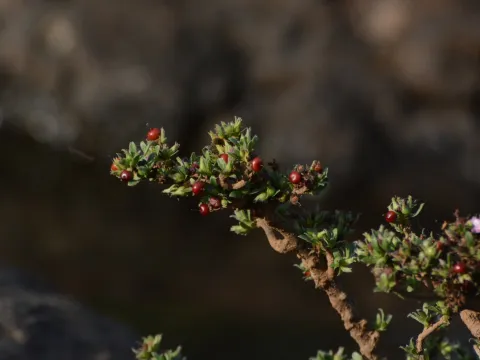
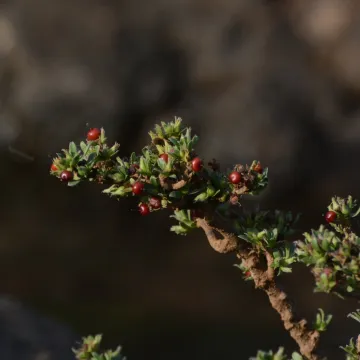
Botanically, Rotula aquatica features woody, branched stems that grow to a modest height. Its leaves are small and narrow, an adaptation that reduces water resistance in fast-moving streams. The plant produces small, delicate flowers that are often pink or violet, contributing to its aesthetic value in its natural niche.
Cultivation of this species is highly demanding due to its strict environmental requirements. It requires high oxygen levels in the water, consistent water flow, and a substrate composed of rock or coarse sand. It does not thrive in stagnant water, which necessitates sophisticated hydraulic setups for any attempt at cultivation or ex-situ conservation.
The economic and ecological potential of Rotula aquatica is focused on riverbank stabilization and biodiversity conservation. By anchoring itself in rocky substrates, it prevents soil erosion. Common threats to the species include habitat loss due to dam construction and water pollution, which can alter the delicate chemical balance of its riverine environment.
Photo gallery