Agostinho's madder
Rubia agostinhoi
Description
Agostinho's madder (Rubia agostinhoi) is a herbaceous perennial crop belonging to the Rubiaceae family. This species is taxonomically distinct and shares many physiological traits with other commercially known madder species, making it a subject of research for potential industrial and pharmaceutical applications.
Originating from the Iberian Peninsula, specifically in Portugal, this species is naturally adapted to Mediterranean climates. It thrives in regions characterized by mild temperatures and well-defined seasonal patterns. Its natural habitat consists of rocky terrains and limestone-based soils, which dictates its specific requirements for successful cultivation in an agricultural setting.
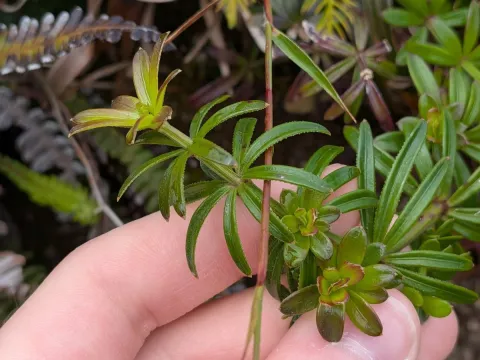
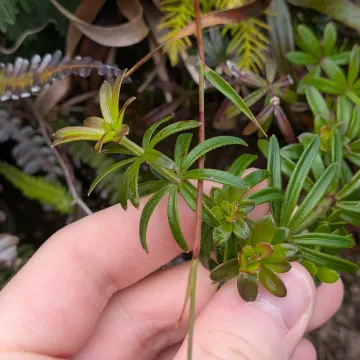
Botanically, Rubia agostinhoi is characterized by its creeping rhizomes and quadrangular stems covered in small, prickly hairs. The foliage is arranged in whorls, and the plant produces small flowers that are typical for the genus. The root system is deep and robust, which allows the plant to efficiently uptake minerals and moisture even in relatively poor and stony soil conditions.
Regarding cultivation, the crop requires well-drained, alkaline-to-neutral soils to prevent root rot. It is essential to ensure adequate sunlight exposure during the growing season. Irrigation must be managed carefully, as the plant does not tolerate waterlogging, which often leads to the decline of the crop. Regular weeding is necessary during the early stages of plant establishment to minimize competition for nutrients.
The economic value of this plant lies primarily in the biochemical composition of its roots, which contain various anthraquinone derivatives. Historically, species in this genus were used as dye sources, and modern research continues to explore their potential in natural colorants and medicinal extracts. Protecting the crop from pathogens involves monitoring for leaf spot diseases and preventing aphid infestations through integrated pest management techniques.
Photo gallery