Rubia fruticosa
Rubia fruticosa
Description
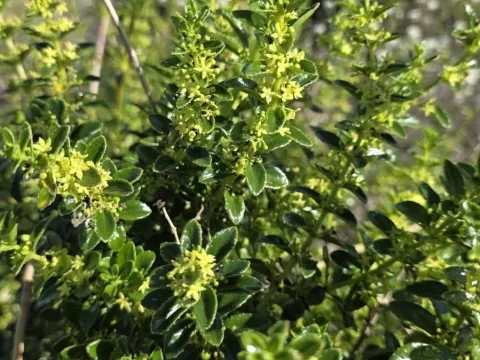
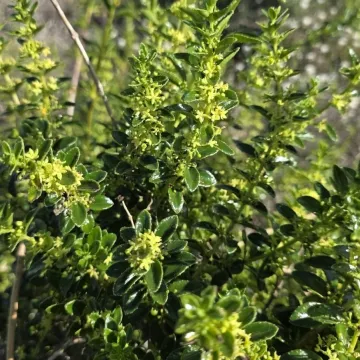
Rubia fruticosa is a perennial woody-based plant belonging to the Rubiaceae family. Unlike many of its herbaceous relatives, this species develops a distinct shrubby habit, allowing it to adapt to harsh environments and rocky terrain where traditional herbaceous madder species might struggle to establish.
Native to the Macaronesian region, particularly the Canary Islands, this plant is well-adapted to subtropical island climates. Its natural habitat includes cliffs, rocky slopes, and scrublands, where it benefits from high solar exposure and well-drained volcanic soils, which are characteristic of its native range.
Botanically, it features rigid, branching stems and whorled leaves that provide mechanical protection against dehydration. The root system is deep and expansive, specialized in sequestering anthraquinone pigments. These compounds are of significant historical and industrial interest, primarily serving as sources for durable, vivid natural dyes used in traditional textile production.
Cultivation requirements for Rubia fruticosa prioritize soil aeration and structural integrity. Farmers must ensure:
- Well-drained, sandy, or rocky soil substrates.
- Controlled irrigation to prevent waterlogging, which is lethal to the roots.
- Protection from frost, as the species is not cold-hardy.
In modern agricultural contexts, this crop is managed primarily for specialized extraction processes. Common pests include aphids and mites that infest the foliage, while the most significant pathological threat remains fungal root rot induced by poor drainage. Successful cultivation relies on replicating the natural dry-period cycles of the Canary Islands to maximize the production of phytochemicals within the root biomass.
Photo gallery