Bolle's bramble
Rubus bollei
Description
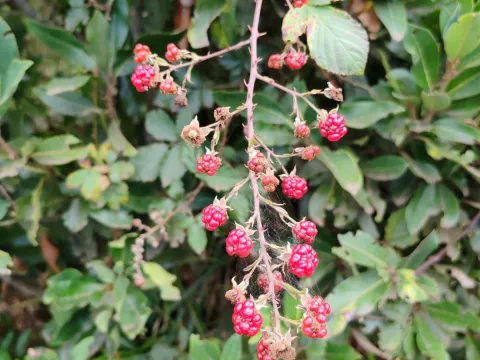
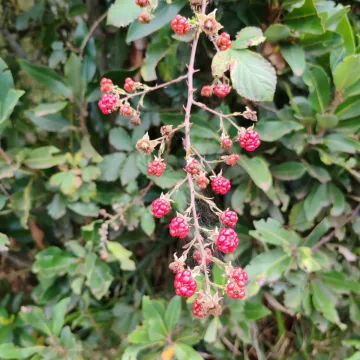
Bolle's bramble (Rubus bollei) is a distinctive perennial plant species belonging to the Rosaceae family. Unlike common blackberry varieties that typically manifest as sprawling canes, this species is noted for its shrubby to sub-arborescent habit, often developing woody stems that allow it to reach significant heights in its native habitat.
The plant is an endemic species native to the Canary Islands, specifically found in the cloud forests known as laurisilva. It thrives in high-humidity environments on islands such as La Palma, La Gomera, and Tenerife. This specific ecological niche dictates its physiological requirements, making it sensitive to changes in moisture and ambient temperature.
Botanically, Rubus bollei exhibits typical compound leaves associated with the genus, but with morphological adaptations to the humid, forested mountain slopes. Its flowers and resulting fruit-clusters are relatively small compared to modern agricultural cultivars, reflecting its status as a wild, specialized forest inhabitant rather than a domesticated crop.
Cultivation requirements for this species are strict. It demands a well-draining, slightly acidic soil profile enriched with organic forest litter. Growers must maintain a high relative humidity and protect the plants from direct, intense sunlight. Consistent temperatures without risk of frost are essential for maintaining the health of the woody stems and foliage.
While not a major commercial crop, understanding the plant’s health is vital for its conservation and potential use in breeding programs. The species is susceptible to various pests, including aphids and spider mites, and remains prone to fungal pathogens, particularly those triggered by stagnant air or poor ventilation in greenhouse or garden settings.
Photo gallery