Hoary bramble
Rubus canescens
Description
The hoary bramble (Rubus canescens) is a perennial shrub belonging to the Rosaceae family. It is distinct for its dense, grayish, hair-like pubescence covering the stems and the underside of the leaves, which gives the plant a unique silver appearance. This wild-growing species serves as a hardy alternative to traditional garden blackberries and has potential for niche berry production.
The species originates from the Mediterranean region, Central and Southern Europe, and parts of Western Asia. It thrives in sunny environments, commonly occupying forest edges, shrublands, and rocky slopes. Its natural resilience allows it to handle periods of drought, making it an excellent candidate for cultivation in warmer climates where irrigation resources may be limited.
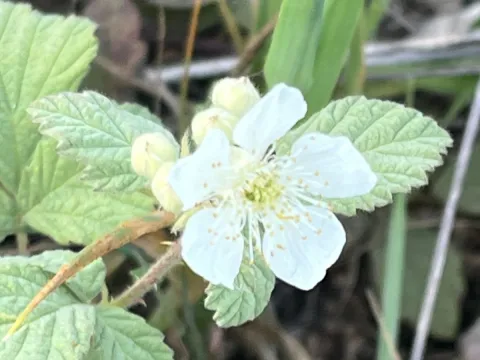
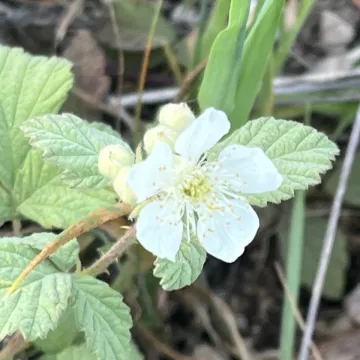
Botanically, the plant develops long, arching canes covered in small prickles. The foliage is compound, and the flowers are relatively showy, ranging from white to pink shades. The fruit consists of small aggregated drupelets that turn deep black upon maturity. While the wild fruit is typically smaller than commercial cultivars, the intensity of flavor and antioxidant content are often superior due to the plant's robust nature.
Agronomic requirements include well-drained, fertile soil and full sun exposure to maximize yield. Proper management involves regular pruning to remove old, woody canes that have already produced fruit, which promotes the growth of new, vigorous stems. Mulching the root zone is highly recommended to regulate soil temperature and suppress competing weeds, thereby reducing the need for chemical intervention.
In terms of хозяйственное (economic) use, the fruit is widely sought after for fresh consumption and processing into jams, syrups, and herbal infusions. The plant also provides valuable habitat for pollinators. Common threats include fungal diseases like anthracnose and specific bramble pests such as the raspberry beetle, which can be managed through crop rotation, pruning, and, if necessary, targeted biological control methods.
- Systematic pruning of old canes.
- Regular soil monitoring and fertilization.
- Effective weed control through mulching.
- Integrated pest and disease monitoring.
Photo gallery