Northern dewberry
Rubus flagellaris
Description
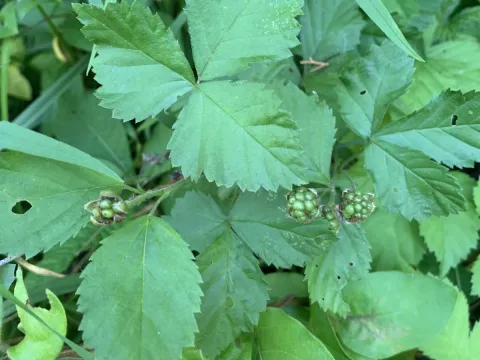
Northern dewberry (Rubus flagellaris) is a perennial trailing shrub belonging to the Rosaceae family. Unlike erect blackberry species, this plant features long, creeping stems that root at the nodes when they touch the ground. This distinctive growth habit allows it to spread rapidly across various landscapes, making it a robust species in its native environment.
The plant is native to North America and typically occupies diverse habitats, ranging from forest edges and meadows to sandy, open spaces. It thrives in temperate climates where there is a balance of sun exposure and moisture. As an agricultural crop, it prefers well-drained, slightly acidic to neutral soils, which facilitate the healthy development of its root system.
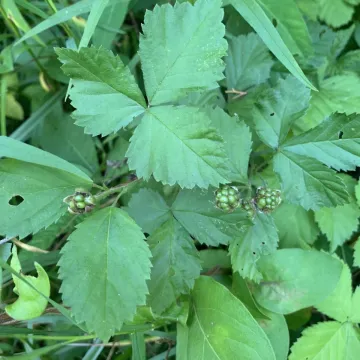
Botanically, Rubus flagellaris is characterized by thin, prickly canes that can grow to significant lengths. The leaves are typically trifoliate with serrated margins, and the plant produces white, five-petaled flowers during late spring and early summer. The resulting fruit is a dark, aggregate drupe that is highly sought after for its sweet, distinctively rich flavor.
Cultivation practices focus on managing its aggressive trailing growth through pruning and potential trellising. Soil fertility management, including the application of balanced organic fertilizers, promotes vigorous vegetative growth and enhances fruit yield. Providing adequate space is essential, as the plant can easily overwhelm nearby vegetation if not properly contained within a designated row or plot.
- Full sun exposure for optimal fruit sugar content.
- Consistent moisture, especially during the fruit development phase.
- Regular pruning to remove dead or diseased canes annually.
- Protection against common pests such as cane borers and mites.
Commercially, this species is used for fresh market sales and artisanal food processing, including jams, jellies, and desserts. Its nutritional profile, rich in antioxidants and vitamins, makes it an attractive crop for small-scale farmers and home gardeners. Furthermore, it serves as a valuable genetic resource for breeders working to improve the hardiness and flavor profiles of commercial blackberry cultivars.
Photo gallery