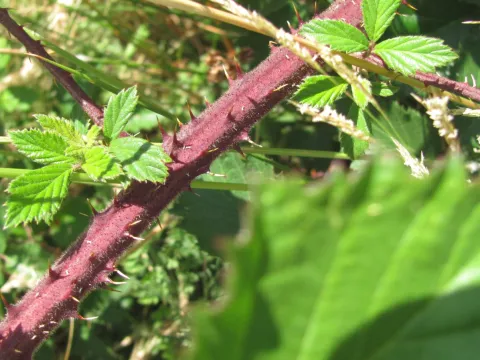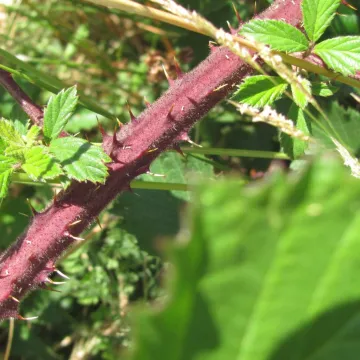
Galician blackberry
Rubus galloecicus
Description
Rubus galloecicus, commonly referred to as the Galician blackberry, is a perennial shrub belonging to the Rosaceae family. This species is a member of the diverse Rubus genus, which contains hundreds of species of blackberries and raspberries found across the globe. It is known for its distinct physiological traits that allow it to thrive in its specific native habitat.
The origin of this species is linked to the Galician region of Spain, where it maintains a significant presence in the wild flora. Its natural range is characterized by a humid, oceanic climate. The plant typically populates woodland edges, scrublands, and sheltered ravines, displaying high adaptability to the temperate environmental conditions of the Iberian Peninsula.
Botanically, Rubus galloecicus features thorny canes and compound, serrated leaves. The plant produces small, white to light pink flowers arranged in clusters, which eventually develop into aggregate fruits. These fruits undergo a color transition from green to dark purple or black as they ripen, accumulating high levels of sugars and organic acids during the maturation phase.
Agronomic requirements for this culture involve well-drained soils rich in humus and slightly acidic in nature. While it does not require intensive cultivation, optimal growth is achieved through regular pruning of biennial canes, which helps maintain plant vigor and enhances fruit size. Adequate mulching is recommended to retain soil moisture and suppress weed competition around the base of the shrub.
Economically, the species is valued for its edible berries, which are used in both fresh markets and food processing industries to create jams, juices, and culinary preserves. Beyond its fruit production, it serves an ecological function by supporting local biodiversity, providing nectar for pollinators, and acting as a habitat for native fauna. Research into its genetic properties continues to highlight its potential for selective breeding programs.
- Prone to common berry diseases such as downy mildew and botrytis.
- Common pests include raspberry beetles and aphids during the budding stage.
- Integrated pest management is recommended to avoid heavy chemical use.
- Regular irrigation is essential during the fruit-set period.
Photo gallery