Rubus gratus
Rubus gratus
Description
Rubus gratus is a perennial shrub species belonging to the Rosaceae family. Often referred to in botanical circles for its vigorous growth habit, it is a wild relative of cultivated blackberries and is widely recognized for its ecological importance within European scrubland and woodland habitats.
The native range of this plant encompasses much of Western and Central Europe. It thrives in temperate climates, typically occupying niches such as woodland margins, thickets, and disturbed areas with reliable rainfall. This natural distribution highlights its inherent hardiness and ability to colonize diverse environmental settings.
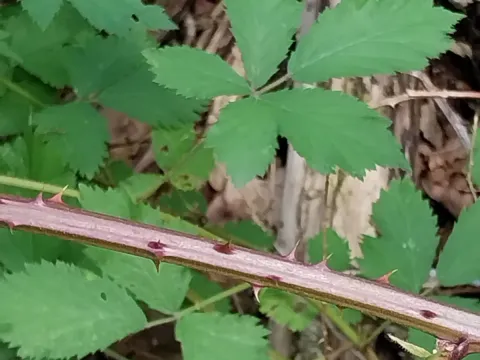
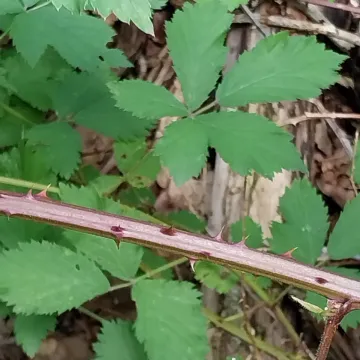
Botanically, the species is defined by its arching, thorny stems and compound, serrated leaves. It produces raceme-like inflorescences with white to pale pink flowers that bloom in late spring and early summer. The resulting fruit is an aggregate drupe, which is highly valued for its tart-sweet profile, evolving from green to deep black upon reaching maturity.
Cultivation requirements for Rubus gratus prioritize well-draining, nutrient-rich soils with a slightly acidic profile. To maximize plant health and fruit yield, growers should ensure adequate spacing for air circulation, which prevents the development of fungal infections. Consistent moisture during the fruit-setting phase is vital for achieving high-quality yields.
Economically, this species is utilized both as a genetic resource for breeding programs and as a source of wild berries for artisanal food production. Its resilience makes it an ideal candidate for low-input agroforestry systems. Furthermore, its dense growth habit provides excellent habitat for local wildlife, contributing to farm biodiversity.
- Requires consistent pruning for productivity
- High tolerance to varied temperate climates
- Benefits from organic soil enrichment
- Susceptible to typical bramble pests if poorly managed
Photo gallery