Bristly bramble
Rubus hirtus
Description
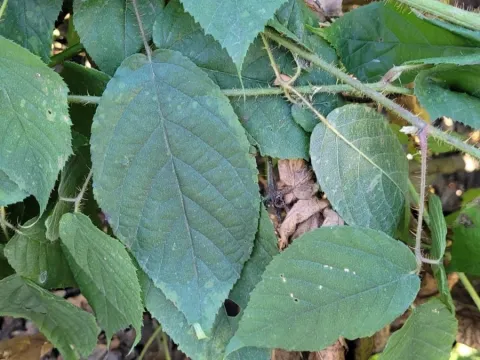
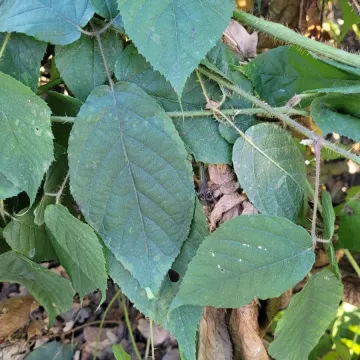
Bristly bramble (Latin Rubus hirtus) is a perennial shrub species belonging to the Rosaceae family. The plant is distinctively recognized by its long, trailing stems covered with dense bristles and thin prickles, which contribute to its wild, hardy appearance in various European forest landscapes.
The origin of Rubus hirtus is closely linked to the European continent, spanning from Central to Southern regions. It thrives in woodland margins and scrub habitats. Its ability to tolerate partial shade and varying soil conditions makes it a resilient species within its native ecological niche, providing essential biomass and habitat for local fauna.
Botanically, the plant features compound leaves and typical five-petaled flowers of the genus Rubus. The fruits are aggregate drupelets that provide a valuable source of nutrients, including antioxidants and vitamins. The plant maintains a robust perennial root system that facilitates effective propagation and survival through consecutive seasons.
Regarding agrotechnology, successful cultivation requires well-drained, nutrient-rich soils. The plant prefers sites with adequate moisture retention, although waterlogging should be avoided. Pruning is essential to manage the growth habit, as the stems can be highly invasive. Mulching and organic fertilization are recommended to sustain optimal yields in a controlled garden environment.
While often treated as a wild species, its potential for selective breeding remains relevant for fruit production. Growers must be vigilant against common pressures that affect the Rubus genus:
- Fungal infections such as anthracnose and botrytis.
- Leaf rust diseases.
- Infestations by aphids and mites.
- Monitoring for raspberry beetle larvae in developing fruits.
Photo gallery