
Western raspberry
Rubus leucodermis
Description
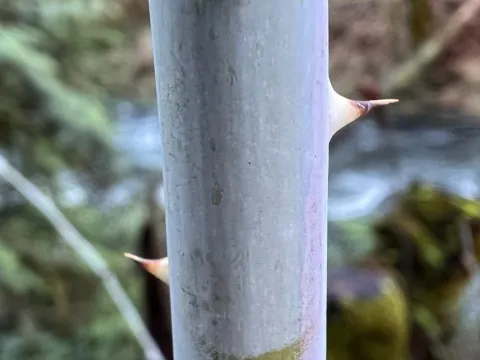
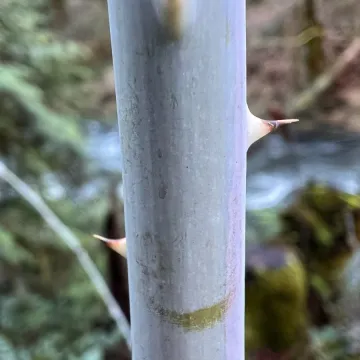
Western raspberry (Rubus leucodermis) is a perennial shrub species belonging to the Rosaceae family. Often referred to as white-bark raspberry or blackcap, it is distinct due to the glaucous, powdery bloom covering its stems. It is a highly productive plant frequently studied in modern agricultural research for its robust resilience.
Native to western North America, this species grows naturally in diverse environments ranging from coastal forests to mountainous inland areas. This wide geographical distribution contributes to its high tolerance for varied weather patterns. Farmers appreciate its adaptability, making it a viable crop for regions with fluctuating temperatures.
Botanically, the plant develops arching canes that can reach significant lengths. The leaves are typically trifoliate or odd-pinnate with serrated margins and white, woolly undersides. The fruits are aggregate drupes, transitioning from red to deep purple-black upon ripening, characterized by a complex, intense sweetness and high antioxidant content.
Successful cultivation requires well-drained, slightly acidic soils rich in organic matter. The crop performs best in full sun, though it can tolerate partial shade. Essential agronomic practices include training canes on a trellis system, annual pruning to remove old growth, and applying moisture-retaining mulch to the root zone to encourage vigorous development.
- Excellent winter hardiness.
- Moderate drought tolerance once established.
- Responsive to balanced soil fertilization.
- Susceptibility to cane blight if humidity is too high.
The culinary applications for these berries are extensive, ranging from fresh market produce to high-quality jams, juices, and wine production. To maintain a healthy orchard, growers should monitor for common pests like aphids and raspberry beetles. Implementing integrated pest management (IPM) strategies, including timely pruning and proper air circulation, is crucial for preventing fungal diseases and ensuring sustainable yields.
Photo gallery