Ludwig's blackberry
Rubus ludwigii
Description
Ludwig's blackberry (Rubus ludwigii) is a perennial shrub belonging to the Rosaceae family. As a member of the Rubus genus, it shares common morphological characteristics with other blackberry and raspberry species but maintains unique adaptations to its native habitats. It is primarily recognized as a wild-growing species that plays a significant role in the biodiversity of its regional ecosystems.
The plant is native to the African continent, particularly in mountainous and upland regions. Its geographic distribution is centered in areas that provide a stable, temperate climate with adequate rainfall. Within these natural landscapes, Rubus ludwigii often occupies edge habitats, such as forest margins or slopes, where it benefits from moderate sunlight and fertile soil conditions.
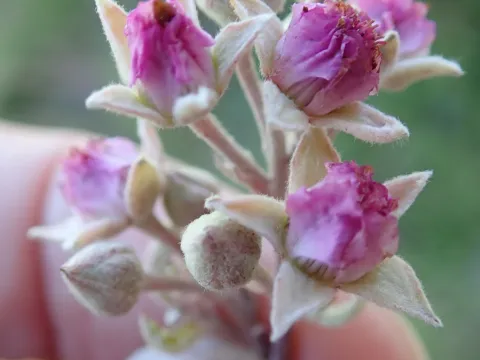
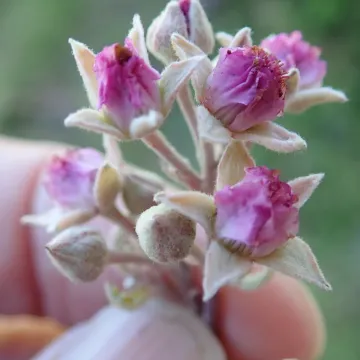
Botanically, the plant is characterized by its semi-shrubby growth habit and stems armed with prickles. The foliage is typically compound and often displays pubescence on the underside, an adaptation designed to reduce water loss. The flowers are small, usually white or pale pink, which eventually develop into small, juicy, aggregate fruits characteristic of the Rubus genus.
Cultivation requirements for Rubus ludwigii prioritize well-drained, nutrient-rich soils with a slightly acidic to neutral pH level. In an agricultural context, the plant benefits from a managed irrigation schedule, especially during its peak growth phases. Regular pruning is essential to remove old, woody stems and to promote the vigorous growth of new canes, which helps maintain the plant's health and yield capacity.
The economic and practical use of this species is largely regional. The berries are valued for their flavor and are commonly harvested from the wild for local consumption and traditional food processing. Furthermore, botanists and breeders study the species for its resilience to local environmental stressors.
- Consumption of fresh fruits in local markets.
- Potential use in breeding programs for disease resistance.
- Ecosystem restoration and stabilization of mountain slopes.
Photo gallery