Island blackberry
Rubus nesiotes
Description
Island blackberry (Rubus nesiotes) is a distinct species belonging to the Rosaceae family. As a wild relative of commercial blackberries, it possesses unique genetic characteristics tailored to specific island environments. This plant is primarily of interest to botanists and specialized breeders who focus on preserving the biodiversity of the genus Rubus.
Originating from isolated geographic regions, the species has evolved to survive in habitats with limited resources and specific environmental stressors. Its distribution is quite restricted, making it a rare find outside of botanical gardens and protected natural areas. Unlike commercial cultivars, its propagation is often limited to small-scale research projects aimed at biodiversity conservation.
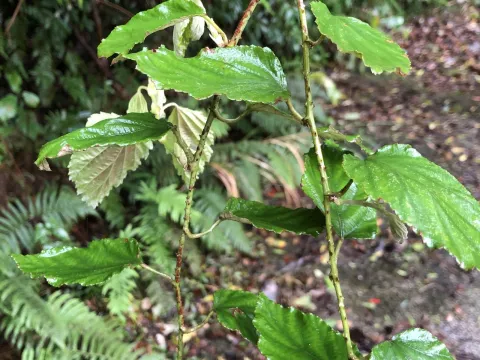
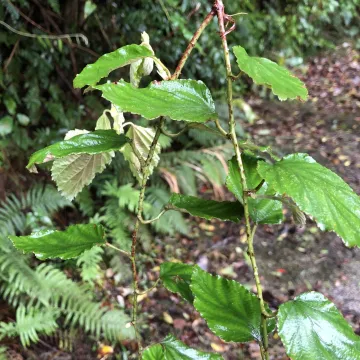
The botanical structure of Rubus nesiotes features thorny, semi-woody canes and characteristic compound leaves. The root system is resilient and perennial, typical of the genus. Its flowers are generally white or light-pink, which bloom to produce small, flavorful aggregate fruits. These berries are physically smaller than modern cultivated varieties but contain a unique profile of natural compounds and aromatic properties.
Regarding climate and soil requirements, this species favors temperate conditions with stable moisture levels and well-drained, nutrient-rich soils. Successful cultivation requires a balance of light and irrigation; it does not tolerate waterlogging and is often susceptible to frost damage, necessitating protection in colder regions. Proper spacing and airflow are critical to preventing moisture-related issues.
Common horticultural challenges for this species involve managing pests and diseases common to the Rubus genus. Growers should monitor for:
- anthracnose and leaf spot diseases;
- powdery mildew, especially in humid climates;
- root rot caused by improper drainage;
- pests such as blackberry mites and aphids that can impact fruit quality.
Photo gallery