Ness blackberry
Rubus nessensis
Description
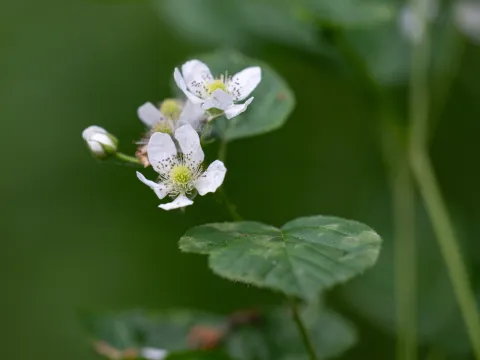
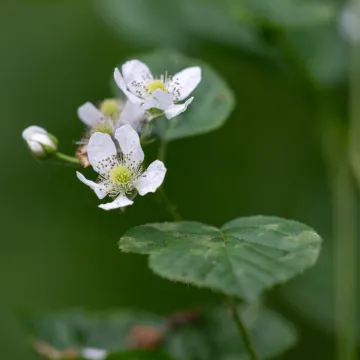
The Ness blackberry (Rubus nessensis) is a perennial subshrub belonging to the Rosaceae family. This species is distinguished by its unique morphological traits and its ecological preference for forested habitats and edges. As a member of the diverse Rubus genus, it shows significant adaptability to temperate climates, making it an interesting subject for both botanical study and selective gardening.
The natural range of this species is spread across Europe, particularly prevalent in Northern and Central European regions as well as the British Isles. It thrives in temperate zones with moderate winters, which define the geographical boundaries for its cultivation. The plant prefers habitats where soil moisture is relatively stable, allowing it to maintain vigorous growth throughout the vegetation cycle.
Botanically, the Ness blackberry features biennial stems that grow vegetatively during the first year and produce inflorescences and fruits during the second. The leaves are typically palmate or compound with serrated edges, which is a common characteristic of the Rubus species. The root system is perennial and robust, providing the energy reserves needed for the plant to emerge early each spring.
Successful cultivation requires well-drained, fertile soil, ideally a sandy loam or loam with a slightly acidic to neutral pH. Agronomic practices should focus on maintaining consistent soil moisture, especially during the fruit-ripening phase, and providing annual pruning of spent canes to prevent overcrowding and promote better light penetration into the center of the bush.
The economic utility of the Ness blackberry is primarily centered on the production of berries. These fruits are rich in vitamins, antioxidants, and dietary fiber, making them highly valued for fresh consumption, jams, juices, and various culinary applications. Beyond its nutritional profile, the plant is also useful in environmental landscaping as a natural barrier or wildlife cover.
- Management of rust and leaf spot diseases.
- Monitoring and control of common blackberry pests.
- Implementation of systematic pruning to improve fruit yield.
Photo gallery