Rubus parvus
Rubus parvus
Description
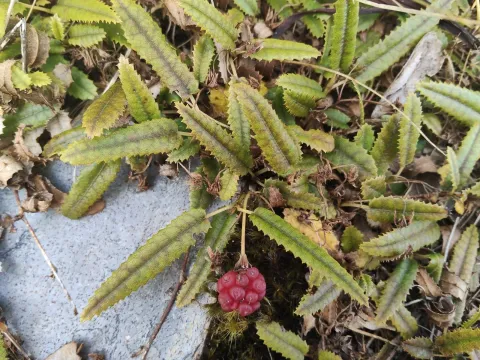
Rubus parvus, commonly known as the creeping raspberry, is a distinct species within the Rosaceae family. Unlike traditional upright canes, this plant features prostrate stems that spread along the ground, creating a dense vegetative mat that is characteristic of its unique ecological niche.
Native to New Zealand, this species thrives in forest understories and damp mountain environments. Its adaptation to temperate, high-humidity regions defines its current range of cultivation, which is primarily restricted to specialized nurseries and botanical collections focused on rare Rubus species.
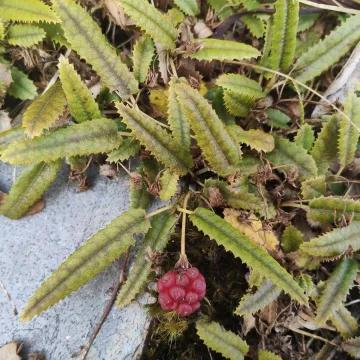
Botanically, the plant is recognized by its narrow, lanceolate, and deeply veined leaves that exhibit a glossy texture and frequently transition to bronze or purple shades. The fruit is small, firm, and edible, possessing a sharp, wild berry flavor that appeals to enthusiasts seeking unique genetic material for breeding or gourmet culinary use.
The cultivation of Rubus parvus requires careful attention to soil moisture and light intensity. It performs best in well-draining, acidic soils enriched with organic matter. Growers should provide partial shade, as excessive heat or full exposure to sunlight can lead to rapid wilting and leaf scorch, significantly impacting plant vigor.
Maintenance and pest management are crucial for healthy production. The species is susceptible to various fungal pathogens when airflow is insufficient or humidity levels are too high. Integrated pest management should prioritize:
- Regular monitoring for mite infestations.
- Applying mulch to maintain soil moisture without saturation.
- Careful pruning to prevent the overcrowding of stems.
Photo gallery