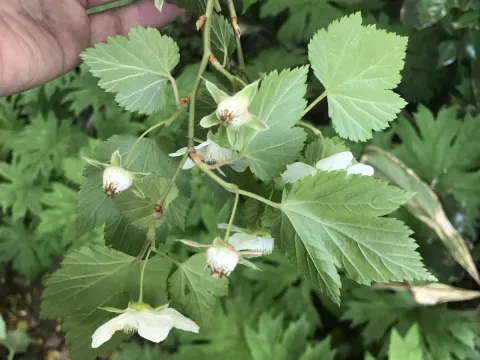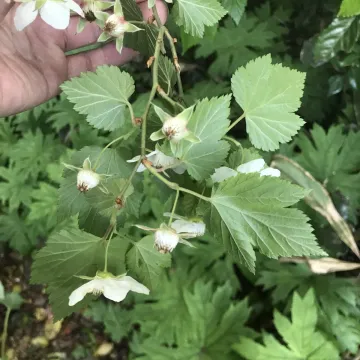
Currant-leaved raspberry
Rubus ribisoideus
Description
The currant-leaved raspberry (Rubus ribisoideus) is a perennial shrub species belonging to the Rosaceae family. This species is named for its distinctive foliage, which bears a striking resemblance to the leaves of the genus Ribes, marking a significant visual divergence from common raspberry varieties.
Native to the mountainous forest regions of East and Southeast Asia, this plant thrives in ecological niches characterized by high atmospheric humidity and semi-shaded conditions. Its natural distribution range is limited to specific tropical and subtropical mountain zones where the climate remains relatively cool throughout the year.
From a botanical standpoint, the plant features slender stems and specific trichomes on its leaves. The fruit is a drupe aggregate, typical of the genus Rubus, possessing unique biochemical properties and a distinct flavor profile that distinguishes it from commercial raspberry cultivars. Its growth cycle is strictly adapted to high-altitude environments.
Cultivation requirements focus on maintaining well-drained, nutrient-rich soil with a slightly acidic pH. The plant requires consistent soil moisture but is highly sensitive to waterlogging. Providing a layer of organic mulch is essential to protect the delicate root system from extreme temperature fluctuations and to maintain optimal moisture levels.
- Site selection with partial shade protection
- Annual pruning of old, non-productive canes
- Application of balanced organic fertilizers
- Monitoring for common Rubus pathogens such as rust
The economic utility of Rubus ribisoideus remains largely focused on botanical collections and niche horticultural markets. The berries are utilized in local culinary traditions, providing antioxidants and essential vitamins. Disease management involves standard IPM (Integrated Pest Management) protocols to mitigate risks of anthracnose and spider mite infestations in greenhouse or garden environments.
Photo gallery