Rubus rigidus
Rubus rigidus
Description
Rubus rigidus is a perennial shrub belonging to the Rosaceae family, sharing many botanical characteristics with blackberries and raspberries. As an important member of its genus, it is known for its resilient growth habit and ability to thrive in specific environmental niches, particularly within the African continent.
The plant is native to sub-Saharan Africa, where it inhabits forest margins, grasslands, and montane regions. This wide range of distribution indicates a high degree of adaptability to different altitudes and temperatures, although it typically performs best in areas with stable rainfall patterns and moderate tropical climates.
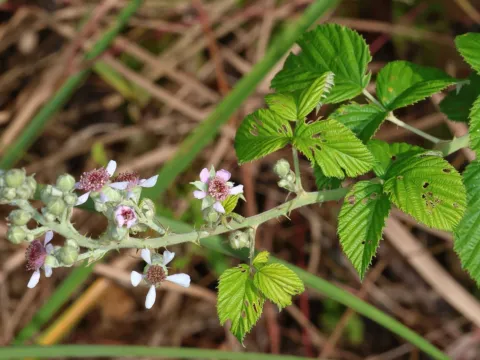
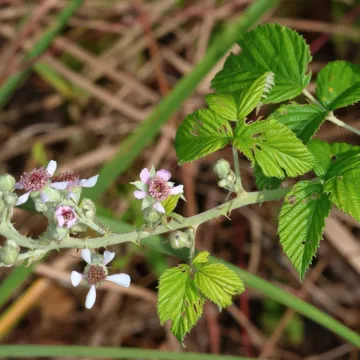
Botanically, Rubus rigidus is defined by its robust, often prickly canes that provide structural support and defense. The leaves are compound, typically featuring serrated margins, while the flowers develop into aggregated drupelets. The plant's morphology is designed to maximize reproductive success in competitive habitats.
Cultivation of this species requires careful management of soil moisture and nutrient content. It thrives in slightly acidic, well-draining soils rich in organic matter. Agricultural practices must emphasize regular pruning to remove old wood, which enhances fruit production, and the use of trellising to manage the sprawling habit of the canes during the growing season.
The primary use of Rubus rigidus involves the harvesting of its wild fruit, which is valued for its nutritional profile and potential medicinal properties. Despite being generally hardy, the plant can be susceptible to common berry pests such as aphids and mites, as well as fungal diseases like leaf spot or rust, necessitating proactive integrated pest management strategies.
Photo gallery