Rubus roridus
Rubus roridus
Description
Rubus roridus is a rare species within the vast Rubus genus, belonging to the Rosaceae family. Unlike more common blackberry and raspberry varieties, this species holds significant botanical interest, exhibiting unique morphological traits typical of wild berry shrubs found in tropical and subtropical mountain ecosystems.
The origin of this species is closely associated with the high-altitude regions of Central and South America. Its natural range encompasses humid forest environments, where climatic conditions ensure a steady level of moisture and an absence of extreme temperatures, which dictates specific requirements for its cultivation in agricultural settings.
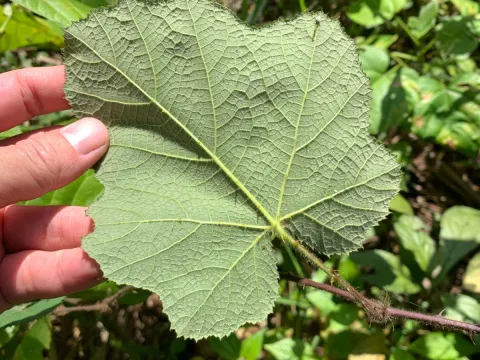
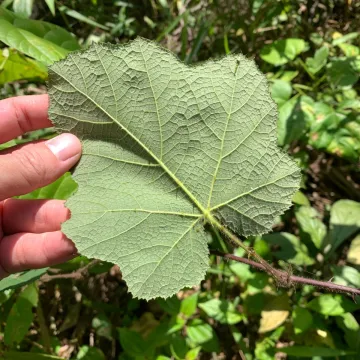
Botanically, the plant is a subshrub with canes that tend to root at the nodes. The foliage features the characteristic pubescence of the family, and the fruits are formed as complex drupelets. A notable feature of this species is its high sensitivity to light regimes and solar radiation intensity, making it better adapted to semi-shaded habitats.
Successful cultivation of Rubus roridus requires loose, organic-rich soils with a near-neutral or slightly acidic pH. Agricultural management practices should include mulching the root zone to retain moisture and regular applications of balanced fertilizers. Propagation is most effectively achieved through vegetative methods, such as crown division or the rooting of tip cuttings.
The agricultural use of this species is largely limited to breeding programs and specialty gardening. While the fruits possess a distinct flavor and aroma, their low transportability restricts large-scale commercial exploitation. Common pests and diseases include spider mites and fungal infections like anthracnose, necessitating routine preventive treatments with fungicides.
Photo gallery