Taiwan raspberry
Rubus taiwanianus
Description
Taiwan raspberry (Rubus taiwanianus) is a distinct species within the Rosaceae family. This shrubby perennial is native to the high-altitude regions of Taiwan, where it thrives in cool, moist, and stable environmental conditions. It is considered a specialty plant, primarily cultivated in botanical collections and by enthusiasts focusing on unique wild species of the Rubus genus.
The geographic range of this species is confined to mountain slopes, which has dictated its physiological evolution. Unlike common raspberries, Rubus taiwanianus is adapted to high humidity, fog, and fluctuating temperatures characteristic of its native island habitat. These adaptations make the species highly specialized and sensitive to significant deviations from its natural climate during cultivation.
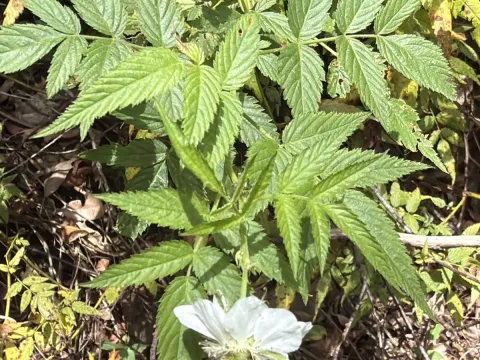
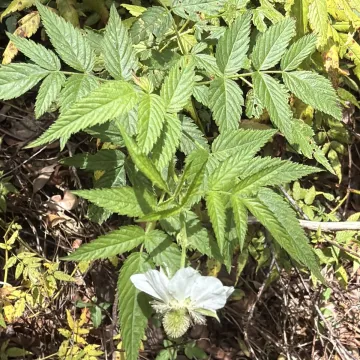
Botanically, the plant features creeping or arching stems, which often exhibit fine prickles. The foliage is typically compound, with serrated margins typical of the genus. Its reproductive biology involves the production of small, aggregated drupelets that hold a distinct profile compared to commercial varieties. The root system is robust, providing stability in the rocky soils of its native habitat.
Cultivation requirements for Rubus taiwanianus center on recreating a cool, well-draining environment. The soil should be slightly acidic to neutral, high in organic matter, and consistently moist but never waterlogged. Because the plant naturally grows in mountain environments, it performs best in locations with partial shade and protected from intense midday sun, which can cause excessive transpiration and leaf desiccation.
Regarding economic usage, the species is primarily valued as a genetic resource for breeding programs aiming to develop more resilient raspberry cultivars. Its resistance to certain environmental stresses could prove beneficial in hybridizing new garden varieties. Regarding pests and diseases, the plant is susceptible to typical Rubus pathogens, including grey mold (Botrytis) and various rusts. Integrated pest management, focusing on proper air circulation and prophylactic treatment, is essential for maintaining plant health.
Photo gallery