Three-lobed raspberry
Rubus trilobus
Description
Three-lobed raspberry (lat. Rubus trilobus) is a perennial deciduous shrub belonging to the Rosaceae family. It is distinct from common edible raspberry species primarily due to its unique leaf structure and high ornamental value, making it a specialized choice for garden landscaping rather than mass commercial berry production.
The species is native to the mountainous regions of Mexico, where it thrives in cool, forested environments. Because of this origin, the plant requires a climate that avoids extreme heat and severe frost, preferring temperate conditions with consistent moisture levels throughout the growing season to maintain its healthy appearance.
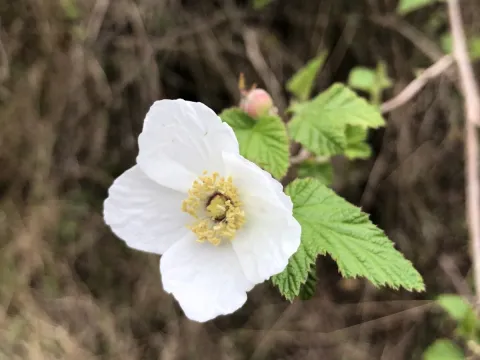
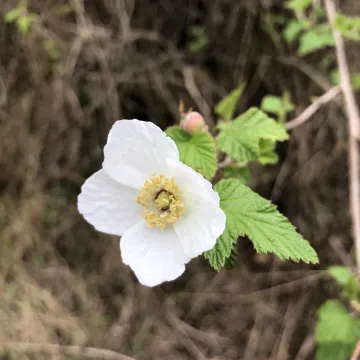
Botanically, Rubus trilobus is characterized by a sprawling growth habit and lack of sharp thorns, which differentiates it from many other Rubus species. Its most notable feature is the large, white, rose-like flowers that appear in spring, creating a significant visual impact compared to the smaller, less showy blooms of common raspberries.
Cultivation requirements involve planting in well-drained, fertile soil with a slightly acidic to neutral pH. It is essential to choose a location that provides protection from intense afternoon sun, as the leaves can scorch easily. Regular organic soil amendments and moisture management are key to promoting vigorous growth and healthy foliage year after year.
- Soil: rich in organic matter, well-drained.
- Sunlight: partial shade is ideal for leaf longevity.
- Watering: consistent irrigation, preventing waterlogged roots.
- Pruning: post-bloom pruning to maintain desired shape.
The primary horticultural use of this plant is ornamental. It is frequently incorporated into garden designs to add texture and a unique seasonal bloom. While the plant produces fruits, they are generally not harvested for commercial sale, as they lack the flavor profiles or yield efficiency typically associated with agricultural fruit-bearing raspberries.
Management of pests and diseases is centered on preventing fungal issues, such as powdery mildew, which can occur in stagnant, humid air. Standard horticultural practices like spacing plants for better airflow and applying preventive treatments when necessary ensure the long-term health and vitality of the shrub in a garden setting.
Photo gallery