Southern dewberry
Rubus trivialis
Description
The Southern dewberry (Rubus trivialis) is a perennial shrub belonging to the Rosaceae family. Unlike upright blackberries, this species is characterized by its trailing growth habit, making it a unique and valuable crop for both commercial berry farming and home gardening.
Native to the southeastern United States, Rubus trivialis thrives in a variety of environments, ranging from open fields to woodland borders. Its adaptability to diverse soil types and climates has made it a subject of interest for breeders seeking to develop resilient, high-yield berry cultivars for specific regions.
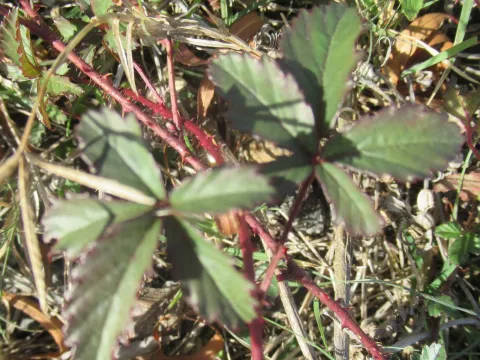
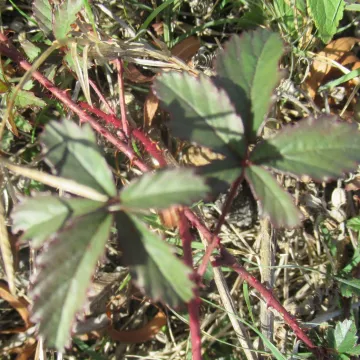
Botanically, the plant features long, prickly canes that creep along the ground, often rooting at the tips. The leaves are typically evergreen or semi-evergreen, compound, and serrated. The white blossoms provide an early nectar source, followed by the development of juicy, black-ripening berries that are smaller but often sweeter than common blackberry varieties.
Cultivation requires sites with full to partial sun and soil that is rich in organic matter with excellent drainage. To manage the crop effectively, gardeners must provide support systems if they wish to keep canes off the ground, perform annual pruning to remove spent canes, and apply organic mulch to suppress weeds and maintain consistent soil moisture throughout the growing season.
Beyond fresh consumption, the Southern dewberry is highly sought after for baking, jams, and jellies due to its tart-sweet profile. Growers must remain vigilant against common threats like rust fungus and fruit flies. Integrated pest management, including pruning for airflow and organic sprays, is essential to ensure long-term productivity and fruit quality in any orchard setting.
Photo gallery