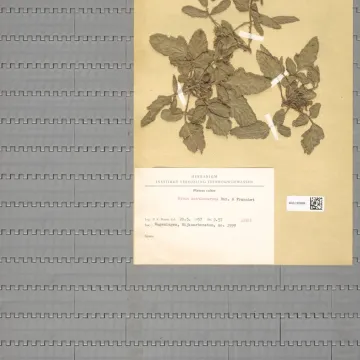

Rubus xanthocarpus
Rubus xanthocarpus
Description
Rubus xanthocarpus is a perennial herbaceous plant belonging to the Rosaceae family. Unlike traditional cane raspberries, this species is a low-growing, groundcover plant that spreads through underground runners to form dense carpets. It is highly valued both for its ornamental qualities and its unique, edible golden-yellow fruits.
The plant originates from the mountainous regions of Western China, thriving in cool, moist environments along forest edges and mountain slopes. Its natural adaptation to these specific microclimates allows it to be cultivated successfully in temperate zones where it demonstrates excellent hardiness and resilience to cold winters.
Botanically, Rubus xanthocarpus is characterized by its succulent, amber-colored berries which possess a distinctive sweet-tart flavor profile. The stems are relatively soft and herbaceous, typically not exceeding 30-40 centimeters in height. The foliage is trifoliate, providing a lush green texture that remains attractive throughout the entire growing season.
For optimal growth, the species requires fertile, humus-rich soil with a neutral to slightly acidic pH. Consistent moisture is the most important factor in its cultivation; therefore, the soil must be kept moist, and mulching is highly recommended to prevent the roots from drying out. While it can tolerate some sun, partial shade is preferred, especially in warmer climates to avoid leaf scorch.
In terms of agricultural and home use, the berries are excellent for fresh consumption and culinary applications such as preserves, jellies, and desserts, where their vibrant color adds visual appeal. The species is notably resistant to common raspberry pests and fungal diseases, such as spur blight or rust, making it an ideal candidate for low-maintenance or organic fruit gardening projects.
Photo gallery